

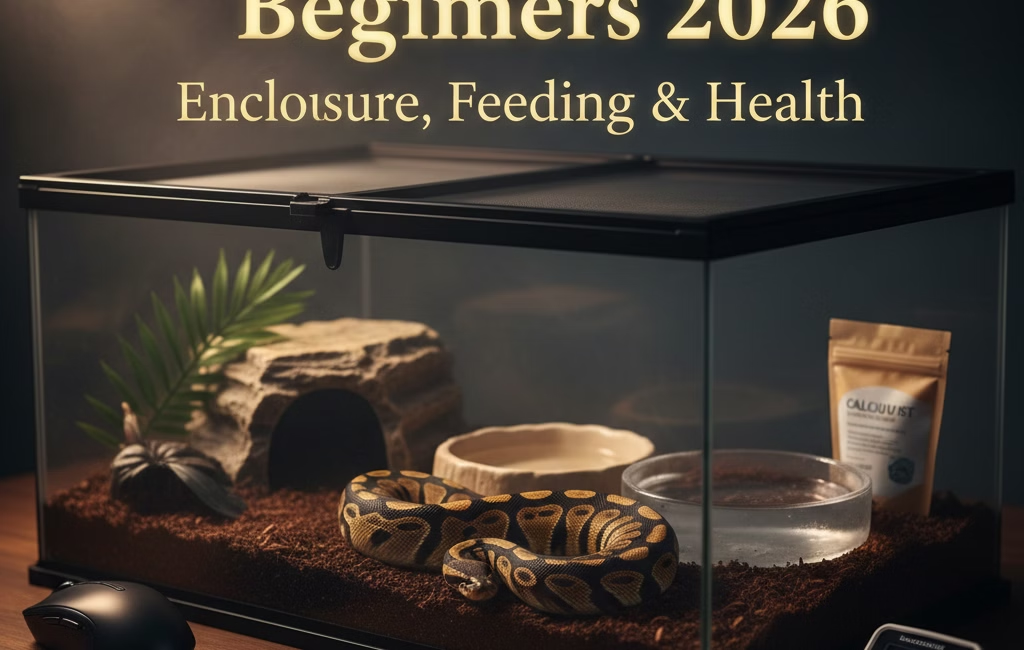
Pet Snake Care for Beginners 2026 – Enclosure, Feeding & Health: What I Wish I’d Known
Hey, if you just typed pet snake care for beginners 2026 – enclosure, feeding & health into Google because you’re about to bring home your first snake, you just saved yourself a bunch of headaches (and probably some vet bills). I’m Joshua Van, founder and senior editor at Diggity Dog Pet Care, and man, I’ve been right where you are. Back in 2019 I walked out of a reptile expo with my first corn snake, a 20-gallon tank, a cheap heat mat, and zero clue what a thermostat even was. I figured “it’s just a snake, how complicated can it be?” Spoiler: I messed up a lot. But those early mistakes taught me way more than any care sheet ever could, and now I’m handing it all over to you so your new buddy actually thrives instead of just hanging on.
This is the no-BS, real-life pet snake care guide that works in regular houses with regular schedules in 2026. Straight from years of keeping corns and balls myself, plus the latest from the folks who know best.
Key Takeaways
- Corn snakes are hands-down the best pick for total newbies they eat reliably and aren’t super picky.
- Start with at least a 4x2x2 foot enclosure those tiny starter tanks are a waste of money.
- A thermostat isn’t optional it’s what keeps your snake from getting cooked or freezing.
- Frozen-thawed rodents only live prey can bite and seriously hurt them.
- Find a reptile vet now, before anything goes sideways.
- Get the snake enclosure, snake feeding, and snake health basics right and you’ll have 15–30 years of quiet, fascinating company.
Why I Ended Up Loving Snakes Way More Than I Expected
Snakes don’t need walks at midnight, they don’t shed hair all over the couch, and they’re honestly pretty chill once they settle in. My corn snake still pokes her head out every evening when she hears me in the room it’s weirdly rewarding. They’re beautiful to watch explore, and handling them after a long day is oddly calming.
But here’s the part the pet store glosses over: they’re not zero-effort. Get the setup wrong and they’ll hide forever, stop eating, or pick up respiratory issues. Do it right though and they become these calm little parts of the family that make your home feel a bit more interesting.

Picking Your First Snake Corn or Ball Python?
If you’re brand new, go with a corn snake. They’re active, curious, eat like champs, and almost never refuse meals. Ball pythons are the other solid choice super docile and they love curling up but some of them turn into picky eaters as adults and need stricter humidity.
Whichever you pick, get a captive-bred one from a good breeder or rescue. Skip anything wild-caught. Look for bright eyes, clean scales, and one that’s already taking frozen-thawed food.
The Snake Enclosure Mistake I Made First (And How to Avoid It)
I started with a 20-gallon glass tank. Big regret. Once my corn hit two feet she looked cramped and stressed. The current standard in 2026 is at least 4x2x2 feet for an adult corn or ball python (that’s like a 120-gallon equivalent but front-opening PVC or similar works way better).
Glass fights you on heat and humidity, so I switched to PVC and never looked back. Secure locks are a must these guys are escape artists. Two hides (warm and cool), some branches for the corn to climb, and a big water bowl they can actually soak in. Clutter is good more places to feel safe means a bolder snake.
Heating, Lighting & Humidity The Stuff That Actually Matters
Snakes can’t warm themselves, so you need a proper gradient or they’ll get sick.
For corn snakes: Warm side 88–90°F (basking spot), cool side 75–82°F, nights around 75°F. For ball pythons: Warm hide 88–92°F, cool around 78°F, never drop below 70°F at night.
Thermostat on every heat source under-tank heater, deep heat projector, whatever you use. I learned that the hard way when my first heat mat ran wild and I nearly lost my snake.
Humidity: Corns like 65–75% average now (the old 40–60% advice is outdated). Balls want 60–80%, spiking higher during shed. Digital hygrometer is non-negotiable. Low humidity = stuck sheds and breathing problems.
A low-output UVB tube on a 12-hour timer is now recommended by most experts helps with overall health even if they don’t bask like lizards.
Snake Feeding the Right Way (No Drama Version)
Frozen-thawed rodents all the way. Safer for them, safer for you, and they accept it just fine once they’re used to it. Prey should be no wider than the widest part of your snake.
Corn snakes: Juveniles every 5–7 days, adults every 10–14 days. Ball pythons: Similar, but some adults stretch to every 2–3 weeks.
Thaw in the fridge, warm in hot water, offer with tongs in a separate tub. Wait 48 hours after eating before handling. I had one ball python that refused meals for weeks until I started feeding him outside the main enclosure fixed it instantly.
Daily Care & Handling (Keep It Simple)
Spot clean poop when you see it, change water every day, full substrate clean every 4–6 weeks. Handle a couple times a week once they’re settled in (after the first couple weeks and not right after eating). Support their whole body and let them move at their pace. Most get tame quick with gentle, regular handling.
Snake Health Stuff to Watch For
Weigh them once a month sudden weight loss is a red flag. Look out for wheezing, bubbly nose, stuck shed (especially eye caps), hiding all the time, or refusing food longer than usual.
Get an exotic vet who actually sees snakes before you need one. Annual checkups catch mites, respiratory stuff, and parasites early. Most problems come from bad setup, so good snake enclosure and snake feeding habits prevent a ton of headaches.
FAQs I Get Asked All the Time
How long do they live?
Corn snakes 15–25 years, ball pythons 20–30+ with decent care. They’re a real commitment.
Can I use a 20-gallon forever?
Nope. They’ll outgrow it fast and stress out. Go big from the start.
Do I have to feed live?
No way. Frozen-thawed is safer and what almost every captive snake eats now.
Will it bite?
Baby ones might nip, but corns and balls usually calm down fast with gentle handling.
How much does snake care run a month?
$20–50 for one snake mostly food and a bit of electricity for heat. Vet stuff is the wildcard.
Do they need light during the day?
A regular day/night cycle helps, and low UVB is a bonus.
One Last Thing
Watching my corn snake explore her big enclosure or my ball python curl up tight still makes me smile every time. If you follow the real basics in this pet snake care for beginners guide, you’ll have a healthy, happy snake that quietly makes your life a little cooler.
Got questions or your own snake stories? Leave them in the comments I actually read every one. And check rescues or solid breeders first. There are tons of great snakes out there looking for a good home.
Keep those scales healthy, Joshua Van Founder & Senior Editor, Diggity Dog Pet Care
References
- ReptiFiles Corn Snake & Ball Python Care Guides (updated 2025–2026)
- PetMD Corn Snake & Ball Python Sheets (2026 updates)
- VCA Animal Hospitals Reptile Health Resources (current 2026)
- Zen Habitats & Dubia.com enclosure recommendations (2025–2026)





No Comment! Be the first one.