

Endangered Monkeys: Which Species Need Saving Now
Hey there, if you typed endangered monkeys: which species need saving now into Google and landed here, stick around you’re exactly where you need to be. I’m Joshua Van, founder and senior editor at Diggity Dog, the spot where we obsess over healthy pet tips for dogs and cats that actually belong curled up on your couch or chasing a ball in the yard. After two decades bottle-feeding rescue pups, calming anxious cats, and helping families figure out why their border collie suddenly “forgets” every command, I’ve learned this much: the real way to celebrate brilliant animals is to keep the wild ones in the wild and fight tooth and nail to protect them there.
Here’s the no-fluff version of what you’ll walk away knowing:
Key Takeaways
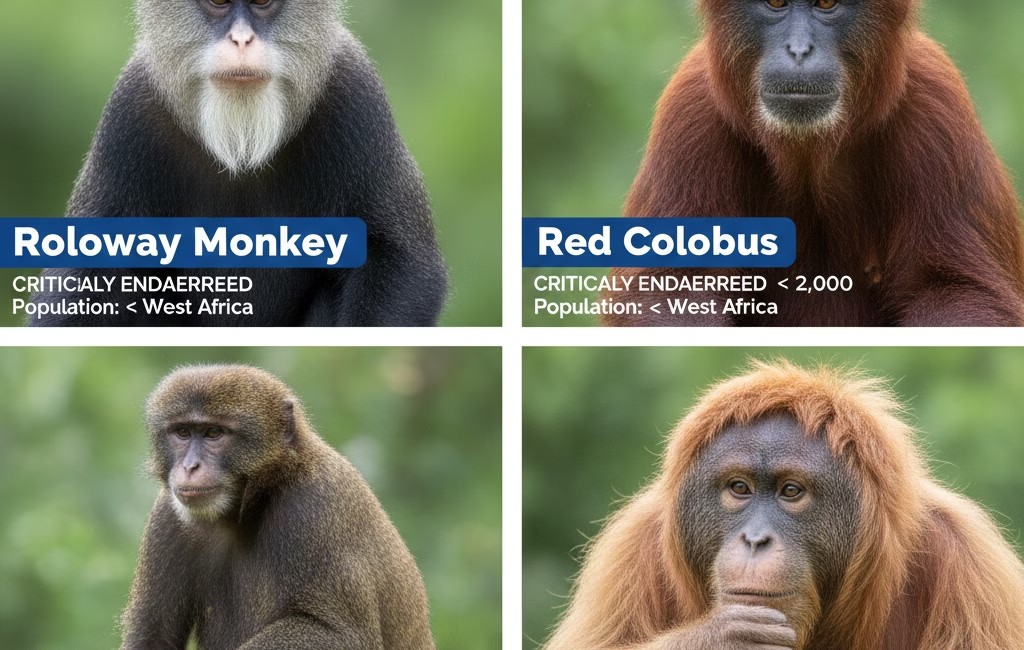
- Tons of monkey species are hanging on by a thread right now in 2026, hammered by vanishing forests, hunters, and the sneaky exotic pet trade.
- The 2023–2025 Primates in Peril report (still the main guide as of early 2026) and fresh IUCN updates show some populations crashing 50 90% in just a couple decades.
- None of these endangered monkeys belong in a living room or backyard cage ever. The pet trade makes the whole mess worse.
- Real hope is out there when local folks, governments, and regular people team up to guard forests and tighten laws.
- Honestly, digging into this stuff makes you a better healthy pet parent because you start noticing how much space, friends, and mental challenges really matter.
I pulled every number straight from the latest reports and field updates May 2025 Re:wild list, October 2025 IUCN confirmations, and even brand-new February 2026 counts. Let’s run through the ones that need our eyes on them right this second.
10. Central American Squirrel Monkey
These speedy little guys in Costa Rica and Panama are losing forest faster than anyone can keep up. The patches left behind are too small for them to move between troops, so numbers just keep sliding. Local crews are trying to stitch the woods back together with green corridors simple idea, huge difference if it works.

9. Pig-tailed Snub-nosed Langur
Out on the Mentawai Islands in Indonesia, these funky-looking leaf munchers are getting squeezed by fresh logging and old-school hunting. They fly under the radar a lot, which is exactly why they need louder voices yelling for them now.
8. Raffles’ Banded Langur
Fewer than 250 grown-ups left, split between Malaysia and a tiny bit of Singapore. They’re actually using rope bridges to dodge roads (yeah, really), but palm oil and new roads keep chipping away. Singapore locals tracking them with cameras are doing some cool grassroots stuff.
7. Red-bellied Monkey
Hanging on in West Africa’s tricky Dahomey Gap. One group is already basically on the critical list. Hunters with dogs, plus social-media “bushmeat” sales and spreading palm plantations, have them boxed in tight. Local teams running camera traps and patrols are scoring small but real wins.
6. Golden-bellied Mangabey
Deep in the DR Congo swamps. Bushmeat markets go crazy for them and logging keeps opening up their home. No exact headcount, but every sign points down fast. Stronger CITES rules on live trade could help slow the bleeding.
5. Bornean Banded Langur
Maybe 200 to 500 left in Borneo’s peat swamps tops. Fires, plantations, and quiet hunting even inside “safe” zones are wiping them out. Those orange-and-black coats deserve way more eyes on the ground.
4. Peruvian Yellow-tailed Woolly Monkey
Up in Peru’s high Andean forests. Critically endangered, slow breeders, and slammed by land grabs plus hunting. New reserve plans are on the table, but boots-on-the-ground enforcement will decide if they make it.
3. Niger Delta Red Colobus
Nigeria’s swampy, oil-rich forests. Possibly just a few hundred left after a 90% nose-dive since the 90s. Oil canals, logging, and straight-up chaos make this one feel like a ticking clock. Community-run conservation zones are their best real shot.
2. Southern Patas Monkey
Along the edge of Tanzania’s western Serengeti maybe only 100 to 200 now. They’ve already vanished from huge parts of their old range. Charcoal burning, farms, and snares are closing the net. Regular water-point checks and surveys could buy them precious time.
1. Variegated Spider Monkey
Colombia and Venezuela. Down 80% in some spots, critically endangered, and moms only have a baby every three or four years. Deforestation and pet-trade hunting hit them hardest. Private reserves and reconnecting forest patches are finally giving a few groups a fighting chance.
Oh, and I can’t skip the long-tailed macaque. Back in October 2025 the IUCN doubled down: still endangered, 50–70% gone in 30 years from habitat loss and insane demand for labs. Those “cute” viral videos? Don’t buy it.
Look, running Diggity Dog means I’ve seen every kind of animal love. I’ve cried over old dogs and laughed at cats plotting from the top of the fridge. That’s why this stuff guts me. Every baby monkey sold on social media keeps the trappers going and wipes out whole wild troops. These endangered monkeys live decades, need miles of space and their own chaotic social crews, and they almost always end up miserable, aggressive, or worse in someone’s house. Please rescue a dog instead. Teach it tricks, give it puzzle toys, watch it figure stuff out. You’ll get all the “whoa, that’s smart” moments without the guilt.
There’s a little light in all this darkness, though. Just a couple weeks ago in February 2026, the latest census on Tonkin snub-nosed monkeys in Vietnam showed they’re holding steady at around 250 new babies on the way, no fresh poaching signs. Local guards and community folks made that happen. Proof that paying attention actually works.
FAQs About Endangered Monkeys
Can any of these guys be pets?
Nope, not legally in most places and definitely not right. They suffer, they get destructive, and every purchase fuels the wild decline. Grab a shelter dog you’ll both be happier.
What’s killing them fastest right now?
Forest clearing for farms and palm oil, bushmeat hunting, and the live-animal trade. Climate stuff is starting to pile on too.
How can a regular person actually help?
Support solid groups like Re:wild or local projects. Skip palm oil when you shop, push for better wildlife laws, and share real stories instead of captivity clips.
Any good news stories?
Plenty of small ones. Some red colobus groups are stable in new community forests, and those Tonkin snub-nosed numbers aren’t dropping anymore. Every win counts.
Does knowing this make me better with my own healthy pet?
100%. You notice the little things why your dog needs room to zoom, why your cat wants buddies and challenges. It just clicks.
References
- Mittermeier et al. (2025). “Primates in Peril: The World’s 25 Most Endangered Primates 2023–2025.” IUCN SSC Primate Specialist Group, IPS, Re:wild.
- IUCN Red List – long-tailed macaque reassessment (October 2025).
- Fauna & Flora Vietnam field census on Tonkin snub-nosed monkey (February 2026).
- Mongabay and Re:wild updates 2025–early 2026.
Whew, you read the whole thing thanks for caring this much. Drop a comment below: which species surprised you, or what’s one tiny thing you’re doing for wildlife this year? I actually read every single one.
Until next time, give your dog an extra belly rub, keep those healthy pet brains busy, and let’s leave the wild monkeys swinging free where they belong.
— Joshua Van Founder & Senior Editor, Diggity Dog

Other Articles

Canine Fitness Month: Ways to Work Out with Your Dog
Top 15 Most Intelligent Monkey Species Ranked




No Comment! Be the first one.