

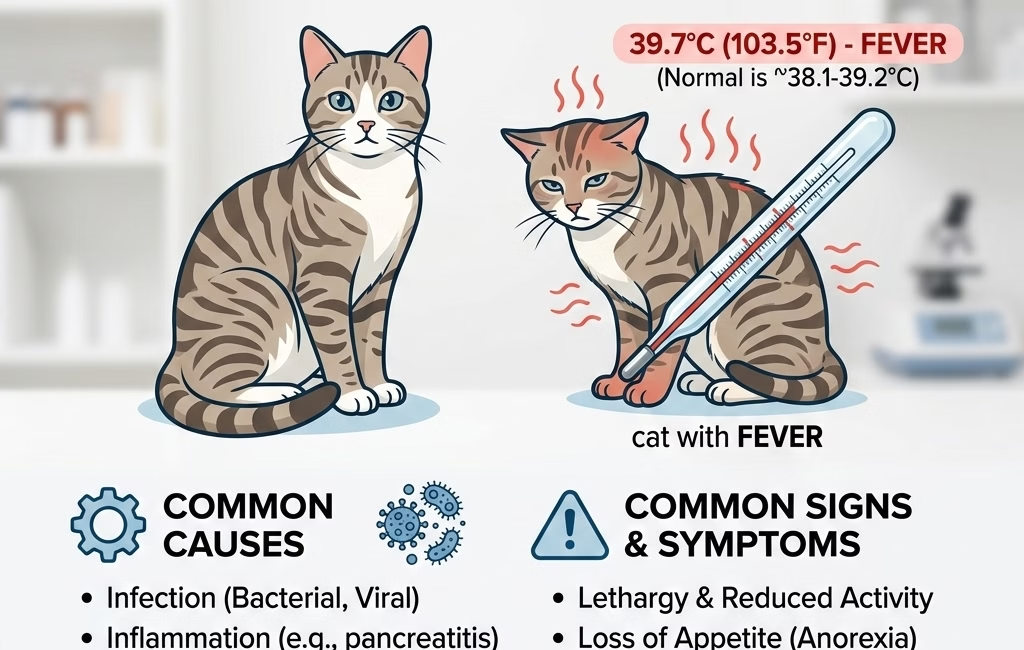
Understanding Fever in Cats
Hey cat people, have you ever noticed your little buddy feeling warmer than normal and thought, hmm, something’s not right? Understanding fever in cats is pretty much a must-know for anyone with a feline sidekick it helps you catch issues early and keep them bouncing around like usual. I’m Joshua Van, founder and senior editor of this spot, and I’ve spent a ton of time digging into cat health, talking to vets, and dealing with my own kitties’ ups and downs. Today, we’re breaking down fever in cats with the latest 2026 vet tips to give you the real deal.
We’ll cover the obvious signs, possible reasons behind it, and what to do next without losing your cool. If it’s your first scare or you’re just refreshing your memory, this should give you solid pointers to stay on top of things.
Key Takeaways
- Cats normally sit between 100.4°F and 102.5°F; anything higher means fever in cats and over 106°F? That’s a rush job.
- Look for subtle cat fever symptoms like being super lazy, ignoring food, or getting the shakes; it’s not them being dramatic.
- Things like bugs, scrapes, or pills can trigger causes of fever in cats, but you can avoid a bunch with everyday habits.
- Don’t try fixing it yourself with meds; get to the vet for real treating fever in cats to skip worse problems.
- Catching it soon and keeping up with jabs and visits is key for preventing fever in cats so they can keep living it up.
What’s Going On with a Fever in Your Cat?
Imagine your cat’s system turning up the dial to battle whatever’s invading, like bacteria or swelling. It’s their way of fighting back, but if it goes too far, it can hurt their body. Based on fresh 2026 info from WebMD and PetMD, vets are really pushing to keep an eye on those stubborn high temps, especially in older ones or cats with other stuff going on.
My cat Whiskers got a random infection once that began with him radiating heat it made me realize understanding fever in cats is all about figuring out the message behind the warmth, not just cooling them off.

Normal Temp Range for Cats
If you’re worried, pick up a cat-friendly thermometer. They usually hover around 100.4°F (38°C) to 102.5°F (39.2°C). Go over 102.5°F, and it’s fever time. If it stays above 103.5°F longer than a day, it might be that annoying fever of unknown origin (FUO), so let the vet play detective.
Quick advice: Touching isn’t enough their ears might feel hot from running around or freaking out. Stick to rectal for the truth, but if that’s not your thing, pros got you.
Picking Up on Those Sneaky Cat Fever Symptoms
Cats hide when they’re off, so cat fever symptoms can slip by. Your zoomy friend might just flop down, skip chow, or tremble in a toasty room. Perhaps faster breaths or a pounding heart.
Check for sticky gums or skin that tents up when pinched that’s no water. Warm ears or rosy cheeks often clue you in. 2026 updates from VCA Hospitals say these can blend with aches or jitters, so look at everything. Whiskers kicked off with light shakes, then ducked under the bed. Jumping on it quick fixed it.
Signs That Mean Business
Big temps can bring flushed skin, huffing, or shakes that seize up. Young ones and elders take it harder, so act fast.
Figuring Out Causes of Fever in Cats
Why the warmup? Often, it’s kicking against infections or puffiness. Bacteria from nicks or sore mouths are usual suspects, plus viruses like FeLV or calicivirus. Fungi show up sometimes based on area, and bugs like toxo can join in.
Not just that maybe lumps, self-attack diseases like lupus, a tumble, or med reactions. A Cats.com write-up from 2025, bumped to 2026, mentions how baking in heat can fake it out, but that’s overheating really. Mysterious FUOs? Typically secret infections, from Zoetis Petcare’s new bits.
From years fixing up pet tales, city cats hit viral walls in tight spots, roamers fight more critters. Your cat’s vibe points the way.
When to Hit the Vet?
Play it safe if it’s sticking past a day or reaches 104°F, ring them up. Over 106°F? Go now. Lower ones with puke or tummy troubles too.
Kits and seniors bounce less, so hurry. Building this place, I’ve seen: Better an oops visit than sorry.
How Vets Sort and Fix Fever in Cats
They begin simple: Your story, temp, blood work, scans maybe to find germs or bumps. FUO needs extras like samples or pokes.
Treating fever in cats hits the root meds for bacteria, others for fungi, liquids for thirst. Fan or wet rag to chill, but no freezing; bad idea. Human stuff like Tylenol? Deadly for them.
PetMD’s 2026 news loves custom tricks, like belly helpers for gut fevers. Cat care’s stepping up.
Easy Home Helps Till Vet Time
Not your job to cure, but comfort: Water ready, calm space, soft cool on feet. Vet follows.
Stopping Fevers Before They Start: Smart Moves
Beat it by blocking. Shots for viruses, bug meds, regular checks. Inside cuts risks, but homebodies need shields too. Solid eats build strength, watch for weird starts.
All my pet days show these tweaks turn scares to nothing. Preventing fever in cats? Loving care with eyes open.
FAQs About Fever in Cats
Main reason cats get fevers?
Infections mostly germs, viruses but hurts and stings tag on.
Tylenol okay for cats?
Heck no, poison. Vet only.
When’s a fever serious?
Above 104°F, over a day, or with bad cat fever symptoms like wiped out or parched? Move.
Hot nose = fever always?
Nope, maybe games or worries. Temp check wins.
How long fevers hang in cats?
Depends, but help clears fast. No help? Stays.
References
- WebMD: “Fever in Cats: Symptoms and Treatments” (2025)
- PetMD: “Fever in Cats” (2023, with 2026 updates)
- Cats.com: “Fever in Cats: Symptoms, Causes, Diagnosis & Treatment” (2025)
- VCA Hospitals: “Fever of Unknown Origin in Cats” (2026)
- Zoetis Petcare: “Understanding Fever in Cats” (2026)


Worms in Cats: Symptoms, Treatment, & More
What Is Megacolon in Cats?


No Comment! Be the first one.