

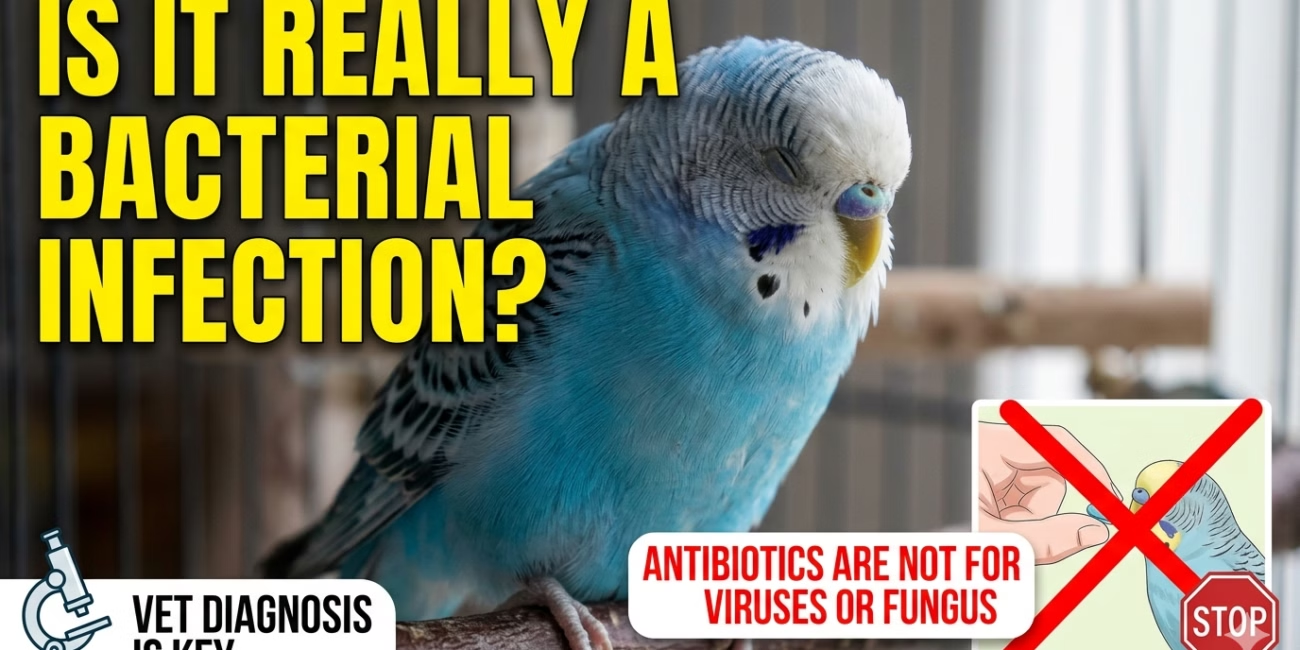
Why Proper Antibiotic Use is Crucial for Your Bird’s Health
Birds are masters at hiding illness. By the time you notice your parrot, cockatiel, or canary is sick, the problem is often advanced. Antibiotics can be life-saving in these situations — but only when used correctly. Improper antibiotic use is one of the fastest ways to make a bird’s condition worse, create resistant bacteria, or even cause fatal side effects.
This complete 2026 guide explains why birds are uniquely sensitive to antibiotics, the serious risks of misuse, when antibiotics are truly necessary, and the exact steps every bird parent must follow to use them safely. Whether you have a small finch or a large macaw, these practical tips will help you protect your feathered friend and avoid common mistakes that many well-meaning owners make.
Why Birds Are Extremely Sensitive to Antibiotics
Birds have a very different physiology than mammals or dogs and cats. Their respiratory system is unique — they have air sacs instead of a diaphragm, and their lungs are rigid. Many antibiotics can cause severe damage to these delicate structures. Birds also have a very fast metabolism and a sensitive gut microbiome that is easily disrupted by antibiotics, leading to dangerous secondary infections like yeast overgrowth (candidiasis) or clostridial enteritis.
Because birds are prey animals, they hide symptoms until they are critically ill. This means antibiotics are often started late, when the bird is already weakened, making proper dosing and monitoring even more critical.
The Serious Risks of Improper Antibiotic Use
Overuse or incomplete courses create resistant bacteria that can make future infections much harder — or impossible — to treat.
2. Gut Dysbiosis and Secondary InfectionsAntibiotics kill both bad and good bacteria. In birds this often leads to fatal yeast infections or clostridial overgrowth that can kill faster than the original infection.
3. Organ ToxicitySome antibiotics (especially aminoglycosides and certain fluoroquinolones) can cause kidney or liver damage in birds. Others can cause neurological problems or even sudden death if dosed incorrectly.
4. Weakened Immune SystemDisrupting the microbiome lowers overall immunity, making the bird more susceptible to new infections.
When Antibiotics Are Truly Necessary
Antibiotics should only be used when a veterinarian confirms a bacterial infection through culture and sensitivity testing. Common situations include:
- Bacterial respiratory infections (common in birds kept in drafty or dusty environments)
- Chronic sinusitis or eye infections
- Enteritis caused by specific bacteria
- Post-surgical infections
- Certain skin or wound infections
Never use leftover antibiotics or human medications without veterinary guidance — the dosage and type are usually completely wrong for birds.

How to Use Antibiotics Safely and Effectively
A culture and sensitivity test is the gold standard. It tells the vet exactly which antibiotic will work and at what dose.
2. Follow the Full CourseStopping early is one of the biggest mistakes. Even if the bird looks better, finish the entire prescription to prevent resistance and relapse.
3. Support the GutGive a bird-safe probiotic (veterinary formulations only) during and after the course. Add plain yogurt or beneficial bacteria if your vet approves.
4. Monitor CloselyWeigh your bird daily. Watch for any change in appetite, droppings, energy, or breathing. Contact your vet immediately if anything seems off.
5. Use the Correct Administration MethodSome antibiotics must be given in water, others by syringe or injection. Follow instructions exactly.
Prevention Is Always Better Than Treatment
The best way to avoid needing antibiotics is prevention:
- Keep the cage and environment clean and dust-free
- Provide a balanced diet rich in vitamins A and C
- Avoid drafts and sudden temperature changes
- Quarantine new birds for at least 30 days
- Reduce stress with proper enrichment and social interaction
Proper Antibiotic Use Can Save Your Bird’s Life
Antibiotics are powerful tools, but they are not candy. When used correctly under veterinary guidance, they can pull a sick bird back from the brink. When used incorrectly, they can cause more harm than the original infection. By understanding your bird’s unique sensitivity, always getting a proper diagnosis, completing the full course, and supporting the gut during treatment, you give your feathered friend the best possible chance at a full recovery.
Your bird depends on you to make smart decisions about their health. Treat antibiotics with the respect they deserve — and your bird will thank you with many more years of chirps, songs, and companionship.
Want weekly bird health tips, feeding guides, enrichment ideas, and more practical advice for happy, healthy birds? Join the DiggityDog newsletter free — no spam, just tail-wagging (and wing-flapping) advice delivered straight to you.
About the Author

J.V. CHARLES – DiggityDog
Bird and pet health enthusiast and founder of DiggityDog. Passionate about sharing accurate, practical information that helps every pet parent make the best decisions for their feathered (and furry) family members.

Other Articles


