

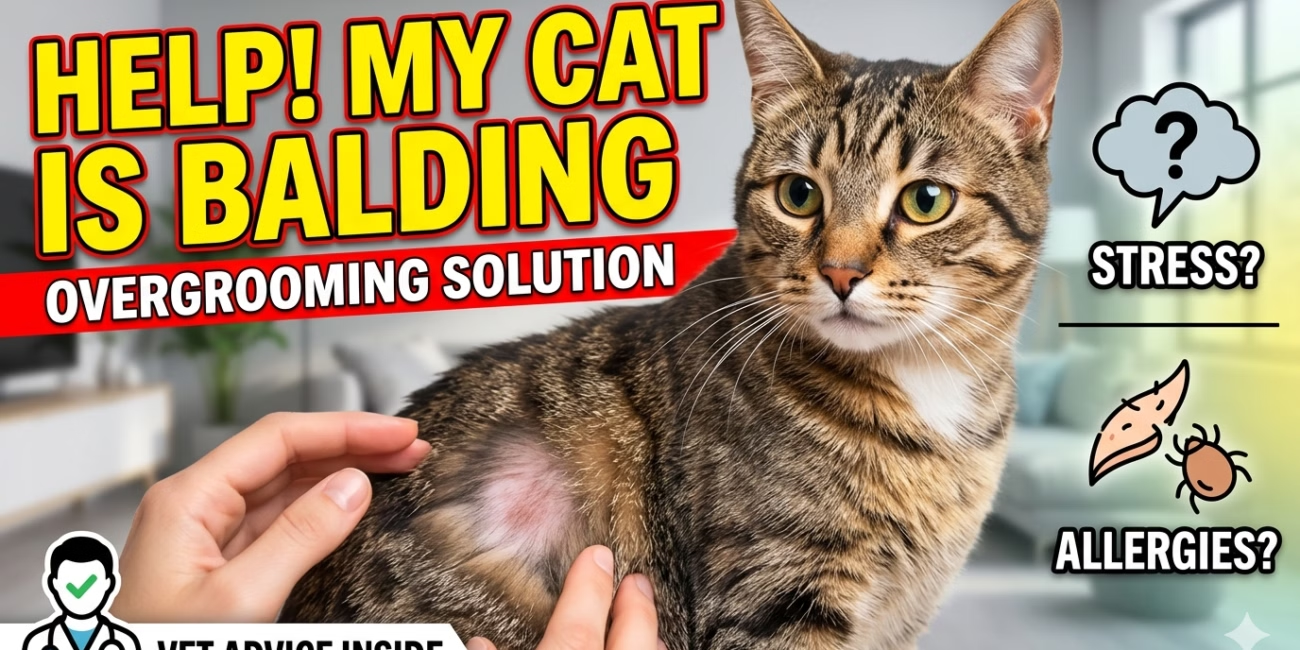
My Healthy Cat Overgrooms to the Point of Balding: Help!
You walk into the room and see your cat calmly grooming — but then you notice the bald patches. The fur is missing in perfect little islands on the belly, inner thighs, or lower back. The skin looks normal, no redness or scabs, and your cat seems perfectly healthy otherwise. Yet the licking never stops. This is psychogenic alopecia, also known as stress-related overgrooming, and it’s far more common than most cat parents realize.
The good news is that most cats with this issue can be helped. The bad news is that it’s rarely solved with one simple fix. Overgrooming to the point of balding is almost always a symptom, not the problem itself. This complete guide explains the most common causes, how to rule out hidden medical issues, the behavioral and environmental triggers, and the step-by-step plan that has helped thousands of cats grow their fur back and stay calm.
What Overgrooming to Balding Really Looks Like
Cats are fastidious groomers by nature, but when the behavior becomes excessive it crosses into a problem. Signs include:
- Symmetrical bald patches (often on belly, inner thighs, front legs, or lower back)
- Skin that looks completely normal (no redness, no scabs, no flaking)
- The cat seems relaxed or even “zoned out” while licking
- Fur regrows but then falls out again in the same spots
- No obvious fleas or skin irritation on vet exam
Vets call this psychogenic alopecia when medical causes have been ruled out. The cat is essentially self-soothing with grooming the same way some people bite their nails or twirl their hair.

First Step: Rule Out Medical Causes
Never assume it’s “just stress.” Many medical conditions cause overgrooming because the cat feels itchy or uncomfortable. Your vet should run these tests:
- Skin scrapings and fungal culture to rule out ringworm
- Flea combing and fecal exam for parasites
- Bloodwork (especially thyroid levels in cats over 8 years)
- Allergy testing or elimination diet trial if food or environmental allergies are suspected
- Urine analysis to check for urinary tract issues (common trigger for excessive grooming of the lower belly)
Only after medical causes are ruled out can you confidently call it behavioral overgrooming.
The Most Common Behavioral Triggers
When the vet gives a clean bill of health, the cause is almost always stress or boredom. Cats are highly sensitive creatures. Common triggers include:
- New people, pets, or babies in the home
- Changes in routine (work schedule, moving furniture, travel)
- Lack of vertical space or hiding spots
- Boredom from lack of enrichment
- Multi-cat household tension (even if they seem to get along)
- Separation anxiety when owners are away
Proven Strategies to Stop Overgrooming
More vertical space (cat trees, shelves), puzzle feeders, window perches, and daily interactive play sessions reduce stress dramatically.
2. Create Safe ZonesMultiple hiding spots, high perches, and separate resources (litter boxes, food bowls, water stations) in multi-cat homes prevent territorial stress.
3. Use Pheromone SupportFeliway Classic or MultiCat diffusers and sprays have helped thousands of cats reduce anxiety-related grooming.
4. Consider SupplementsL-theanine, Zylkene, or vet-prescribed calming aids can help while you address root causes.
5. Improve Play and RoutineTwo 10–15 minute play sessions daily with wand toys tire the cat mentally and physically, reducing the need to self-soothe with grooming.
When to Seek Veterinary Behavior Help
Seek a veterinary behaviorist if:
- The balding continues despite environmental changes
- Your cat is also showing other signs of anxiety (hiding, aggression, inappropriate elimination)
- The grooming causes open sores or skin infections
In severe cases, short-term anti-anxiety medication combined with behavior modification can break the cycle.
You Can Stop the Overgrooming and Restore the Coat
Overgrooming to the point of balding is distressing for both cat and owner, but it is almost always treatable once you identify the trigger. Start with a full vet workup to rule out medical causes, then focus on reducing stress through enrichment, routine, and pheromones. Most cats show noticeable improvement within 4–8 weeks when the environment and daily life are adjusted correctly.
Your cat isn’t doing this to annoy you — they’re coping the only way they know how. With patience, the right changes, and sometimes a little extra help from your vet, you can help them feel safe and comfortable again so the fur grows back and the excessive licking stops.
Your cat has chosen you as their person. Giving them a stress-free environment is one of the best gifts you can offer in return.
Want weekly cat behavior tips, stress-reduction strategies, enrichment ideas, and more practical advice for happy, healthy cats? Join the DiggityDog newsletter free — no spam, just purr-fect advice delivered straight to you.
About the Author

J.V. CHARLES – DiggityDog
Cat behavior and health enthusiast and founder of DiggityDog. Passionate about helping pet parents understand and solve common issues so their cats can live stress-free, happy lives with beautiful coats and confident purrs.

Other Articles

Top tips for having your dog at your wedding
Why Proper Antibiotic Use is Crucial for Your Bird’s Health





No Comment! Be the first one.