

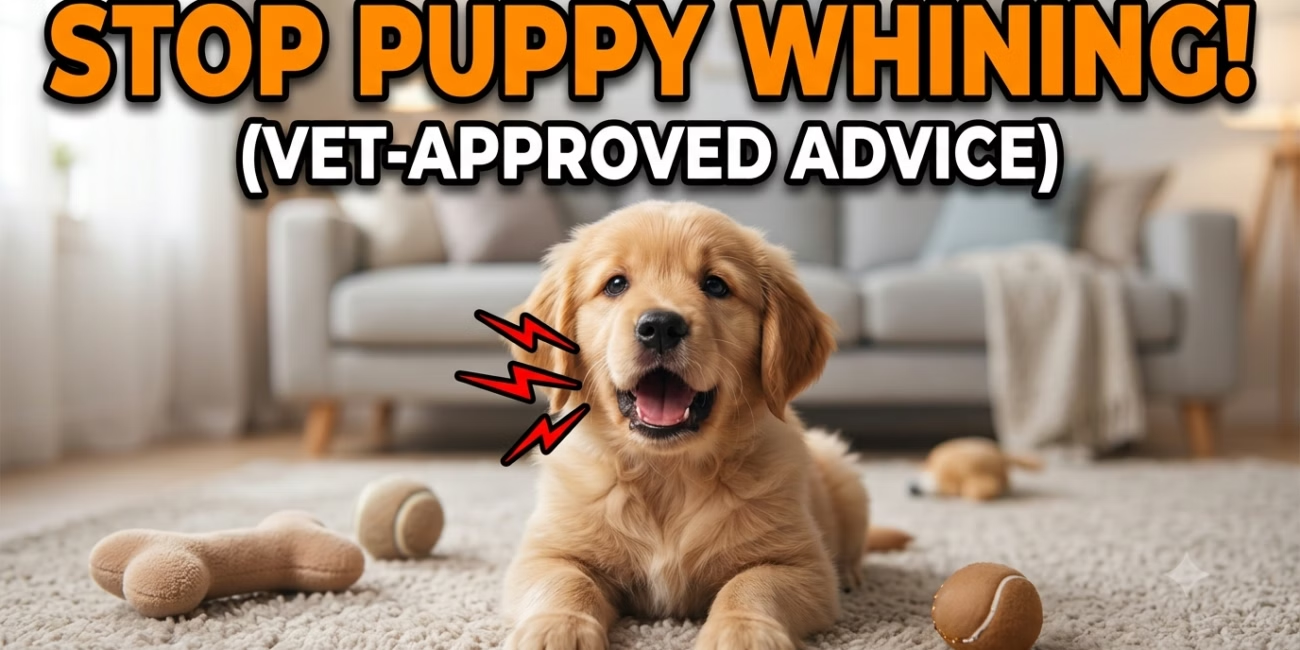
How to Stop Puppy Whining: Vet-Approved Advice
Whining is a puppy’s first and most effective tool for survival. From the moment they are born, a high-pitched squeak is how they tell their mother they are cold, hungry, or separated from the litter. When you bring them home, that instinct transfers directly to you.
But as a puppy grows, whining can quickly morph from a biological necessity into a manipulative habit known as "demand behavior." The key to maintaining your sanity—and fostering a well-adjusted adult dog—is learning how to differentiate between a genuine need and a demanding tantrum. Here is the modern, vet-approved framework for silencing the unnecessary noise.
The Vocalization Translation Matrix
Before you can correct the behavior, you must diagnose the root cause. Intervening incorrectly can accidentally reinforce the exact noise you are trying to stop.
| The Scenario | The Motivation (Need vs. Demand) | The Recommended Action |
|---|---|---|
| Pacing near the door, intermittent whining. | Need: Biological urgency (full bladder or bowel). | Take them outside immediately. Praise them when they eliminate. |
| Staring directly at you while you eat or hold a toy, sharp whining. | Demand: Frustration/Attention seeking. They want what you have. | Complete avoidance. Break eye contact and ignore them until they settle. |
| Whining combined with yawning, lip-licking, or cowering. | Need: Fear, anxiety, or pain (e.g., at the vet, or during a storm). | Remove them from the stressor if possible; comfort calmly without rewarding the panic. Consult a vet if pain is suspected. |

4 Actionable Steps to Curb Demand Whining
When you first decide to ignore demand whining, the puppy will get louder and more persistent before they give up. This is a psychological phenomenon called an "extinction burst." The dog is thinking, "My whining usually works. It's not working. I must need to do it louder." You must hold your ground. If you give in during an extinction burst, you have just taught the puppy that extreme, prolonged whining is the winning strategy.
Most owners only interact with their puppies when they are acting up. You need to flip the script. Keep a pocket full of low-calorie kibble. Whenever you notice your puppy lying quietly, chewing a toy silently, or just resting, calmly drop a piece of food between their paws and say, "Good settle." You are actively building value in quiet behavior.
Puppies often whine simply because their brains are bored. Physical exercise (like a walk) tires out their muscles, but mental enrichment tires out their nervous system. If your puppy is following you around whining, they likely need a "job." Ditch the food bowl and feed their meals out of frozen Kongs, snuffle mats, or puzzle toys to redirect that vocal energy into focused problem-solving.
A puppy that lacks impulse control will whine out of sheer excitement. Teaching a "Place" or "Mat" command gives them a clear, actionable task to perform when they feel overwhelmed or want attention. Instead of whining at your feet while you cook dinner, they learn that lying on their designated mat is the only way to earn a treat.
The Verdict: Patience Yields Peace
Stopping a puppy from whining requires you to be more stubborn than they are. By meeting their biological needs proactively and refusing to negotiate with demand tantrums, you will help your puppy develop the emotional maturity necessary to exist peacefully in your home.
Looking for more behavioral deep-dives and evidence-based training tools? Subscribe to the DiggityDog Newsletter today!

J.V. CHARLES – DiggityDog
J.V. Charles is a pet care specialist and dedicated pet advocate. He founded DiggityDog to bridge the gap between complex veterinary science and practical, everyday advice that empowers pet parents to live happier, healthier lives with their furry companions.

Other Articles

Cat Vomiting: When It’s Normal and When to See a Vet
Retained Deciduous Teeth in Dogs and Cats


No Comment! Be the first one.