

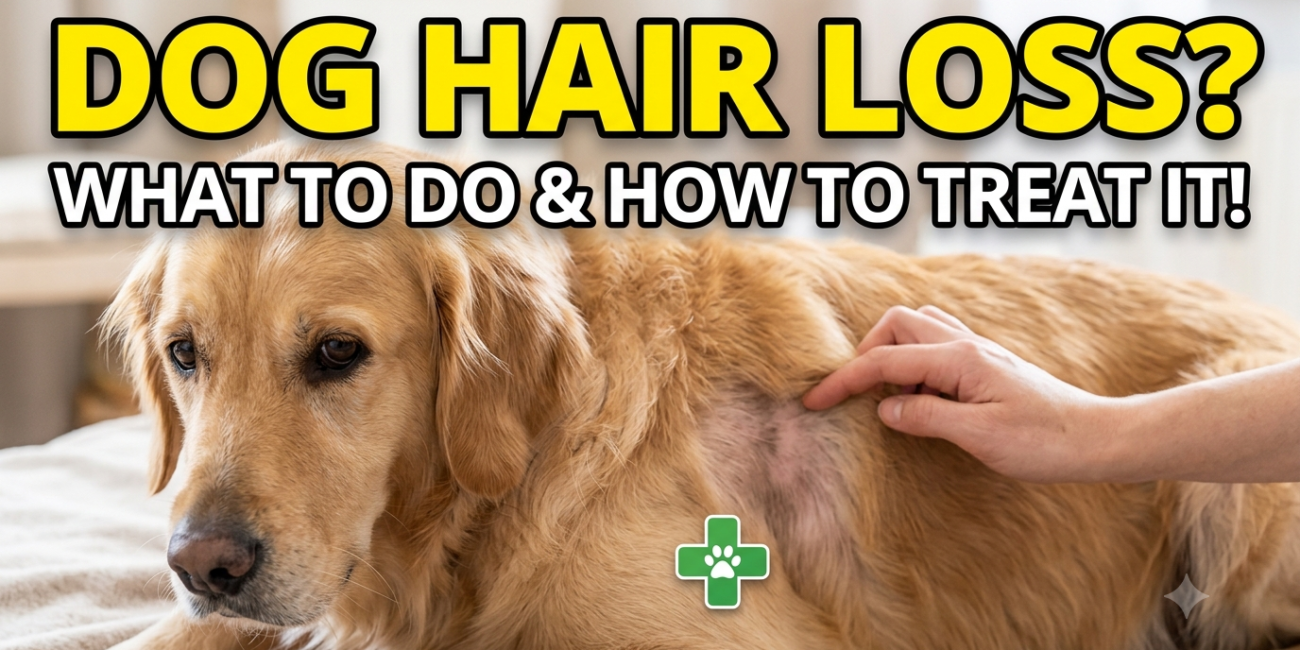
Hair Loss in Dogs: What To Do & How To Treat It
Shedding is a fact of life for most dog owners, but finding actual bald spots, thinning patches, or areas of red, inflamed skin is a completely different story. Canine hair loss—medically known as alopecia—is rarely just a cosmetic problem. Instead, it serves as a glaring biological "check engine light."
Because the skin is the largest organ of the body, it is often the first place underlying health issues visibly manifest. Whether the cause is an aggressive parasitic invasion, a dietary deficiency, or a silent endocrine disorder, identifying the root trigger is critical. In this updated 2026 guide, we break down how to read the visual clues of your dog's hair loss and the exact steps to get their coat healthy again.
The Alopecia Diagnostic Matrix
The pattern and location of your dog's hair loss provide massive clues about the underlying cause. Use this matrix to evaluate their symptoms before heading to the vet.
| Hair Loss Pattern | Accompanying Symptoms | Most Likely Culprit |
|---|---|---|
| Patchy & Asymmetrical | Intense scratching, redness, scabbing, biting at the base of the tail or paws. | Parasites (Fleas, Mites/Mange) or Environmental/Food Allergies. |
| Symmetrical & Bilateral (Even loss on both sides) |
Weight gain, lethargy, darkening of the skin, increased thirst, but no itching. | Endocrine / Hormonal disorders (Hypothyroidism or Cushing's Disease). |
| Perfectly Circular Patches | Crusty, raised red rings, brittle hair, mild to moderate itching. | Fungal infection (Ringworm). |

5 Steps to Diagnose and Treat Hair Loss
The overwhelming majority of patchy hair loss is caused by parasites. Flea Allergy Dermatitis (FAD) is so severe in some dogs that a single flea bite can cause them to chew the hair completely off their hindquarters. Mites—which cause Sarcoptic or Demodectic Mange—burrow deep into the hair follicles, causing the hair to fall out in chunks. Ensure your dog is on a strict, vet-approved, year-round preventative before exploring more complex diagnoses.
Often, the primary issue isn't the hair simply falling out; it is the dog actively ripping it out due to pruritus (severe itching). The mechanical trauma from their teeth and claws damages the hair shafts and introduces mouth bacteria, creating infected "hot spots." Deploy an Elizabethan collar (the "cone of shame") or an inflatable neck donut instantly while you wait for your vet appointment to stop the self-mutilation.
If parasites are ruled out and your dog is compulsively chewing their paws, rubbing their face, or losing hair on their belly, allergies (atopic dermatitis) are the likely suspect. Dogs can be allergic to pollen, dust mites, or specific proteins in their kibble (chicken and beef are the most common culprits). Your vet may recommend an 8-to-12-week strict hypoallergenic elimination diet or prescribe targeted anti-itch medications like Apoquel or Cytopoint injections.
If your dog is losing hair evenly on both sides of their torso, but their skin looks perfectly normal and they aren't scratching at all, you are likely looking at a systemic internal issue. Conditions like Hypothyroidism (underactive thyroid) and Cushing's Disease (overactive adrenal glands) disrupt the natural hair growth cycle. These require a specialized blood panel to diagnose and are managed entirely through daily oral medications.
Dogs process stress, anxiety, and profound boredom through repetitive behaviors. Acral Lick Dermatitis occurs when a dog obsessively licks a single area (usually the front wrists or lower legs) until the hair is gone and a thick, raw sore develops. This requires a two-pronged approach: treating the skin infection topically while addressing the psychological root cause through increased mental stimulation, physical exercise, or anti-anxiety protocols.
The Verdict: Diagnostic Testing is Non-Negotiable
Because the symptoms of a fungal infection look nearly identical to a bacterial infection or a mite infestation to the naked eye, guessing the cause is a waste of time and money. The fastest, most cost-effective way to cure hair loss is to have your veterinarian perform a simple "skin scraping" or cytology test under a microscope to identify exactly what you are fighting.
Want more un-sponsored behavioral breakdowns and practical pet care toolkits? Subscribe to the DiggityDog Newsletter today for expert advice delivered straight to your inbox!

J.V. CHARLES – DiggityDog
J.V. Charles is a pet care specialist and dedicated pet advocate. He founded DiggityDog to bridge the gap between complex veterinary science and practical, everyday advice that empowers pet parents to live happier, healthier lives with their furry companions.

Other Articles

How to Give Your Dog a Spa Day: 3 Great Ideas
Why Do Dogs Roll Around After a Bath? Explained!


No Comment! Be the first one.