

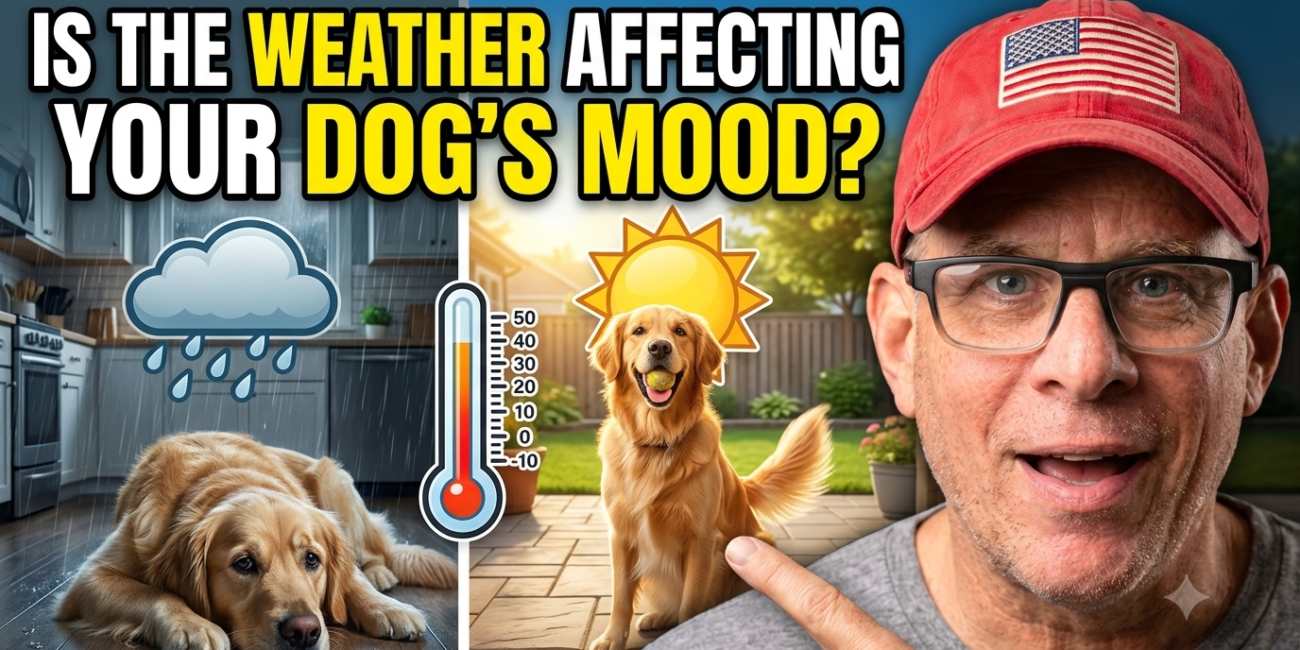
Is The Weather Affecting Your Dog's Mood?
Have you ever noticed your dog acting sluggish on a humid afternoon, pacing nervously before a single drop of rain falls, or bouncing off the walls on a brisk, windy morning? We often brush these behavioral shifts off as random quirks, but science tells a different story. Dogs are profoundly sensitive to their environment.
From subtle shifts in atmospheric pressure to the invisible static electricity buzzing in the winter air, meteorological changes can dramatically alter how your dog feels physically and emotionally. In this comprehensive 2026 behavioral guide, we decode the subtle ways weather impacts your dog’s mood and how you can help them navigate the changing seasons.
The Canine Weather Response Matrix
Understanding the connection between the forecast and your dog's behavior allows you to preemptively manage their anxiety and energy levels.
| Weather Condition | Common Behavioral Shift | Proactive Strategy |
|---|---|---|
| Approaching Thunderstorms | Pacing, panting, clinginess, hiding in dark spaces. | Create a safe "den," use white noise, and remain calm. |
| High Heat & Humidity | Lethargy, loss of appetite, short temper, grumpiness. | Provide cooling mats and limit walks to early dawn/late dusk. |
| Cold Winter Months | "Cabin fever," destructive chewing, oversleeping. | Increase indoor mental enrichment (puzzle toys, sniff mats). |
| High Winds | Hyperactivity, spooking easily, inability to focus. | Keep on leash outdoors; avoid highly stimulating environments. |

5 Ways Weather Impacts Your Dog's Behavior
Long before the sky turns gray, your dog knows a storm is brewing. Dogs have highly sensitive inner ears that detect rapid drops in barometric pressure. This atmospheric shift can cause physical discomfort in their ears and joints. Combined with their ability to smell ozone from lightning and hear thunder miles away, it is no wonder they begin pacing and acting anxious hours before the storm hits your neighborhood.
Just like humans, dogs can feel utterly drained by oppressive heat and humidity. Because dogs only sweat through their paw pads and rely heavily on panting to cool down, hot weather forces their bodies to work overtime. This metabolic strain naturally leads to lethargy, a decreased appetite, and sometimes a shorter temper. If your usually playful dog wants nothing to do with fetch in July, they aren't being stubborn—they are conserving vital energy.
Can dogs get Seasonal Affective Disorder (SAD)? Veterinary behaviorists believe so. Shorter days mean less natural sunlight, which can lower a dog's serotonin levels and disrupt their melatonin production, leading to sluggishness and mild depression. Furthermore, the combination of cold weather and fewer outdoor excursions often results in pent-up energy, manifesting as destructive behavior like chewing furniture or excessive barking.
Does your dog get the "zoomies" or act unusually jumpy on windy days? High winds create a chaotic sensory environment. The breeze carries a massive, confusing volume of scents from miles away, while simultaneously creating loud, rustling noises that mask the sounds of approaching threats. This sensory overload can make even the most confident dog feel vulnerable, hyper-vigilant, and unable to focus on basic commands.
During dry winter months, the lack of humidity in the air causes static electricity to build up in your dog’s fur. This is especially true for double-coated breeds. A simple pet on the head from you can result in a sharp, unpleasant static shock. If your dog suddenly starts ducking away from your hands or acting standoffish during the winter, they likely aren't being antisocial—they are just trying to avoid being zapped!
• Heatstroke is Fatal: If your dog's lethargy in the heat is accompanied by excessive drooling, glazed eyes, vomiting, or bright red gums, seek emergency veterinary care immediately.
• Joint Pain: Cold, damp weather actively inflames osteoarthritis in senior dogs. If your older dog seems "grumpy" in the rain, they may be in actual physical pain and require anti-inflammatory medication.
The Verdict: Empathy for the Elements
We cannot control the forecast, but we can control how we support our dogs through it. By recognizing that their mood swings are deeply rooted in biology and sensory input, we can replace frustration with empathy. Whether it means providing a quiet, dark closet during a thunderstorm or swapping a walk for indoor training on a hot afternoon, adapting to the weather ensures your dog feels safe and understood.
Want to better understand your dog's mind and body? Subscribe to the DiggityDog Newsletter today for weekly behavioral deep dives, veterinary insights, and practical care tips delivered straight to your inbox!

J.V. CHARLES – DiggityDog
J.V. Charles is a pet care specialist and dedicated pet advocate. He founded DiggityDog to bridge the gap between complex veterinary science and practical, everyday advice that empowers pet parents to live happier, healthier lives with their furry companions.

Other Articles

Should I Shave My Dog In The Summer?
5 Easy Ways to Care for Dogs with Sensitive Tummies


No Comment! Be the first one.