

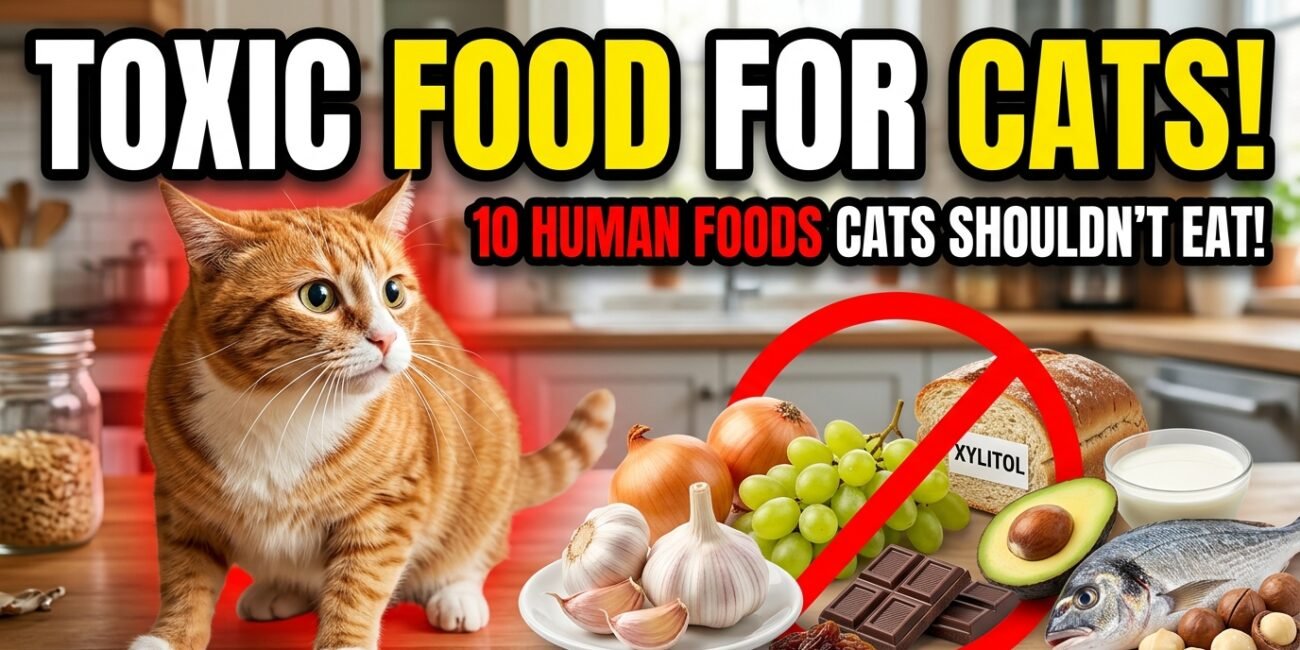
Toxic Food for Cats: 10 Human Foods Cats Shouldn’t Eat
When you're rushing to clean up the kitchen after a chaotic dinner, or quickly sweeping up the scraps babu just tossed from the highchair, it is all too easy for a sneaky feline to snatch a fallen bite from the floor. While their cautious nature usually keeps them safe, a cat's curiosity can sometimes get the better of them.
Feline metabolisms lack specific liver enzymes required to break down many of the ingredients we eat daily. What serves as a healthy snack for humans can trigger an immediate, life-threatening emergency in pets. In this updated 2026 nutritional safety guide, we break down the 10 most dangerous kitchen foods you must keep far out of paws' reach.

The 3 Deadliest Kitchen Culprits
If your cat ingests any of these top three foods, consider it an immediate medical emergency.
Whether powdered, raw, cooked, or dehydrated, all members of the allium family are highly toxic. They contain compounds that systematically break down and destroy a cat's red blood cells, leading to severe, life-threatening anemia. Even a small lick of garlic-heavy pasta sauce can cause damage.
Chocolate contains two lethal ingredients for pets: theobromine and caffeine. Dark chocolate and baking cocoa are the most dangerous. Ingestion acts as a toxic stimulant, causing abnormal heart arrhythmias, severe muscle tremors, elevated body temperature, and eventually seizures.
While the exact toxic mechanism still puzzles veterinary researchers, the clinical data is undeniable. Eating even trace amounts of a single grape or raisin can plunge a previously healthy cat into sudden, acute kidney failure within 24 hours.
7 More Foods to Keep Out of the Bowl
Beyond the top three, these common pantry staples cause severe gastrointestinal and neurological distress:
| Food Item | Why It's Dangerous for Cats |
|---|---|
| 4. Xylitol (Artificial Sweetener) | Triggers a massive insulin spike, leading to fatal hypoglycemia and rapid liver damage. Found in sugar-free gums, baked goods, and some peanut butters. |
| 5. Alcohol | A cat's liver cannot process ethanol. Just a tiny drop causes dangerous drops in blood sugar, body temperature, and respiratory failure. |
| 6. Milk & Dairy | Most adult cats are severely lactose intolerant. Saucers of milk lead to painful stomach cramps, bloating, and explosive diarrhea. |
| 7. Raw Yeast Dough | Unbaked dough expands in a warm stomach, causing severe distension. The fermenting yeast also produces internal alcohol (ethanol poisoning). |
| 8. Caffeine (Coffee/Tea) | Overstimulates the feline central nervous system, resulting in dangerous heart palpitations, rapid breathing, and muscle twitching. |
| 9. Citrus Fruits | The essential oils and psoralens found in citrus peels, stems, and seeds irritate the GI tract and can severely depress the nervous system. |
| 10. Raw Eggs | Beyond Salmonella risks, raw egg whites contain avidin—an enzyme that blocks biotin absorption, leading to major skin and coat deterioration. |
The Verdict: Keep Human Food for Humans
Your cat thrives on a balanced, species-appropriate diet designed specifically for their biological needs. By keeping your counters wiped down, securing your trash cans, and educating everyone in the family on what not to share, you can easily prevent accidental poisonings.
Want to stay up-to-date on pet safety and nutrition? Subscribe to the DiggityDog Newsletter for our latest deep-dives into keeping your furry family members happy and healthy!

J.V. CHARLES – DiggityDog
J.V. Charles is a pet care specialist and dedicated pet advocate. He founded DiggityDog to bridge the gap between complex veterinary science and practical, everyday advice that empowers pet parents to live happier, healthier lives with their furry companions.

Other Articles
How to Prevent Hairballs in Cats Naturally


No Comment! Be the first one.