

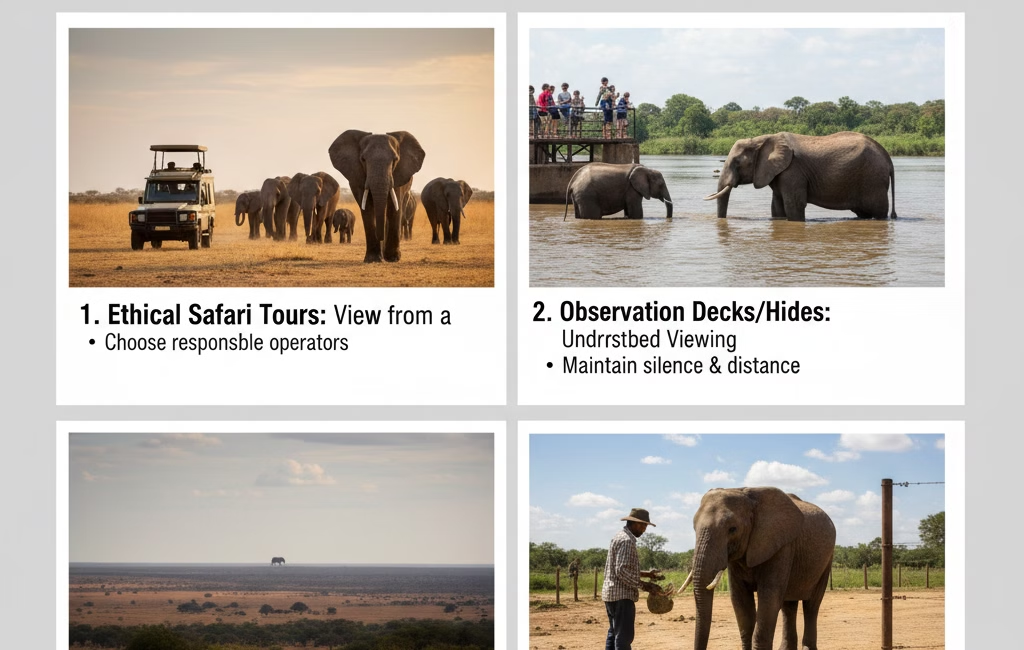
The Best Ways to See Elephants Without Harming Them
If you’re googling the best ways to see elephants without harming them, I’m really glad you ended up here. Hey, I’m Joshua Van the guy who founded Diggity Dog and spends every day making sure our dogs get zero stress and all the love they deserve. That same “do no harm” rule is why I keep writing about responsible elephant tourism. Animals are family, whether they’re curled up at your feet or out there roaming free.
I’ve been reading every new 2026 report I can find, chatting with conservation people on the ground, and checking what’s actually happening right now in February 2026. The good news? You can still have one of those goosebump moments with these giants and know deep down you didn’t hurt them. In fact, you might even be helping them stay safe. And honestly, that feeling is everything.
Key Takeaways :
- Watching elephants in the wild on a quiet safari is still hands-down the best ways to see elephants without harming them.
- For any sanctuary visit, stick only to true ethical elephant sanctuaries – observation only, no touching, no rides, no baths.
- Always check the latest World Animal Protection list for 2026 before you book anything.
- Small groups, binoculars, and keeping your distance are what make the difference.
- Every single choice you make with your wallet sends a message pick right and you’re part of the fix.
The Truth About Elephant Tourism in 2026 – Why It Still Matters
I didn’t want to start heavy, but we have to be straight with each other. Indonesia just made history they banned elephant rides nationwide at the start of 2026. Mason Elephant Park in Bali stopped cold on January 25th, and Bali Zoo followed right after. That’s massive. But some places are still dragging their feet with the old tricks: chains, hooks, forced shows. These elephants feel it all, and the damage doesn’t just go away.

At Diggity Dog we won’t even sell a harness that pinches. So seeing the same stuff happen to elephants? It fires me up. That’s exactly why responsible elephant tourism isn’t a nice extra it’s the only way to go if you actually care.
Seeing Elephants in the Wild: The Absolute Best Ethical Experience
Nothing and I mean nothing beats seeing them out in the open, just being elephants.
In Africa, Chobe National Park in Botswana still gives you those huge river gatherings in the dry season. You’re in a small boat or jeep with a guide who actually keeps distance, and it feels like the whole place is showing off just for you. Tarangire in Tanzania lives up to the “Land of Giants” name every year. Amboseli in Kenya throws in those classic family groups with Kilimanjaro in the background.
Over in Asia, Udawalawe and Minneriya in Sri Lanka turn into elephant parties when the water holes shrink. In India, Jim Corbett and Kaziranga are perfect for those quiet jeep rides where you just sit still and watch.
The rule is the same everywhere: stay in the vehicle, keep your voice down, never feed or get close. If your guide says “that’s far enough,” listen. That’s the best ways to see elephants without harming them in real life.
Top Ethical Elephant Sanctuaries in Thailand You Can Visit in 2026
Sometimes you can’t make it all the way to the big parks, and that’s fine. These are the ones I’d actually send my own friends and family to right now because they put the elephants first.
- Boon Lott’s Elephant Sanctuary in Sukhothai super small numbers, multi-day stays only, feels like you’re a guest in their forest.
- Burm and Emily’s Elephant Sanctuary (BEES) near Chiang Mai – rescued elephants roaming huge natural areas, you just watch from the trails and it’s peaceful as anything.ChangChill in Chiang Mai – quiet jungle observation plus village visits that actually help the locals.
- Phuket Elephant Sanctuary – they’re finishing the full switch to no hand-feeding by April 2026. Big win.
- Following Giants on Koh Lanta and Krabi – pure watching, no contact, super calm.
These places are all on the latest World Animal Protection 2026 list. If a website still pushes “ride with us” or “bath time fun,” close the tab. Doesn’t matter how cute the photos look.
Ethical Elephant Sanctuaries in Cambodia and India Worth Checking Out
Cambodia’s Elephant Valley Project in Mondulkiri is still the one everyone talks about – elephants wandering wherever they want, no pressure, money going straight back into protection.
In India, Wildlife SOS Elephant Conservation Centre keeps doing serious rescue work with massive natural enclosures and proper vet care.
How to Spot a Truly Ethical Elephant Sanctuary – My Easy Checklist
I run through these every single time before I recommend anything:
- Do the elephants have real space to walk away if they want?
- Any recent photos or reviews showing chains or hooks?
- Are they breeding babies just for tourist snaps? (Huge red flag)
- Does World Animal Protection still list them as elephant-friendly in 2026?
- Are visitors from the last couple of months saying it felt calm and natural?
If anything feels off, I keep scrolling. Simple.
Simple Tips for Responsible Elephant Tourism on Your Next Trip
Go in tiny groups when you can. Bring good binoculars instead of expecting them to come close. Book direct with the sanctuary so more cash actually reaches the elephants. Skip the ride-themed souvenirs and grab something from their conservation shop instead. And tell your friends what you learned that spreads faster than any ad.
Ways to Keep Helping Elephants Long After You Leave
“Adopt” an elephant through one of the real programs that shows exactly where the money goes. Share posts like this so more people choose better. If you’ve got extra time, look into proper volunteering at places like Mahouts Elephant Foundation the kind where you actually work, not just take photos.
FAQs About the Best Ways to See Elephants Without Harming Them
Is any elephant riding okay in 2026?
No. The science on spine damage and the training methods hasn’t changed at all.
What about feeding or bathing them?
Most of the good ethical elephant sanctuaries have moved away from even that. Phuket is dropping hand-feeding completely by April. If an elephant chooses to come over behind a barrier, maybe – but the top spots are phasing it out.
What about Elephant Nature Park?
It’s still doing great work and stays popular, but always double-check the latest World Animal Protection guide because things shift.
Is volunteering with elephants a good idea?
Only at the verified places and only if you’re ready to put in real time and follow their rules.
Best time to go for sightings?
Dry season still wins for seeing them, but shoulder months mean way fewer crowds and way less stress on the animals.
How do I know a tour operator is legit?
Just ask if they follow the current elephant-friendly tourist guide. The decent ones are happy to tell you.
There’s something about locking eyes with a wild elephant that’s just living its life that sticks with you forever. And knowing you didn’t pay anyone to break its spirit? That part feels even better.
If this helped you plan something kinder, drop your own tips or the spot you’re dreaming about in the comments – I actually read every one. And if you’re already part of the Diggity Dog crew, you know we’re all about doing right by animals, big and small.
Here’s to more happy elephants out there roaming free and more wagging tails at home in 2026 and way beyond.
— Joshua Van Founder & Senior Editor, Diggity Dog
References
- World Animal Protection – Elephant Friendly Tourist Guide 2026
- World Animal Protection – Bred to Entertain Report, January 2026
- Veggies Abroad – 7 Ethical Elephant Sanctuaries in Thailand (updated Dec 2025)
- Responsible Vacation – Elephant Sanctuaries We Support (2026 review)
- World Animal Protection – Indonesia Elephant Riding Ban Announcement, January 2026

Other Articles

Is Your Pet Overexposed or Under Engaged?
Bearded Dragon vs Snake vs Rabbit vs Monkey – Which Exotic Pet is Best?


No Comment! Be the first one.