


Reading time: 19 minutes
Updated: March 26, 2026
Choosing the Best Bed for Your Cat: A Guide for Comfort and Well-Being
Your cat spends up to 16 hours a day sleeping — more than any other activity. Yet many owners grab the first cute, fluffy bed they see on sale and assume “it’s soft, so it must be good.” The truth is that the wrong bed can cause joint stiffness, poor sleep quality, and even behavioral changes, while the right bed can add years of comfort and mobility to your cat’s life.
Choosing the best cat bed isn’t about picking the prettiest one. It’s about matching the bed to your cat’s age, size, health needs, personality, and daily habits. In this complete 2026 guide we break down everything you need to know: the different types of beds, the key features that actually matter, how to pick the perfect size and placement, special considerations for senior cats and large breeds, and practical tips to get your cat to actually use (and love) their new bed. Whether you have a tiny kitten, a senior with arthritis, or a giant Maine Coon, you’ll walk away with clear, actionable advice that improves your cat’s daily comfort.
Why the Right Cat Bed Matters More Than You Think
Cats are natural athletes who jump, stretch, and twist all day. Poor support during sleep can lead to:
- Stiff joints and reduced mobility (especially in seniors)
- Pressure sores or calluses from hard floors
- Less restorative sleep and more cranky behavior
- Increased risk of urinary issues if they avoid jumping onto high beds
A good bed supports natural spinal alignment, relieves pressure points, and gives your cat a safe, warm place they actually choose to use. The right bed can reduce vet visits and improve quality of life dramatically.
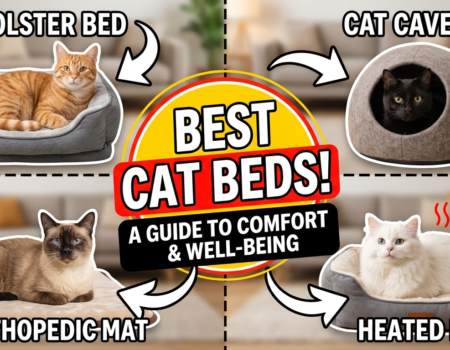
Types of Cat Beds and What They’re Best For
Soft, round, high-sided beds. Great for kittens, small cats, and cats who love to burrow. Not ideal for seniors or large breeds.
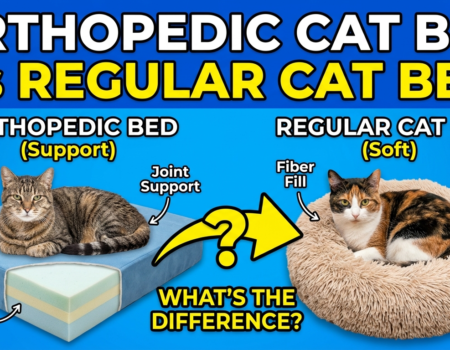
2. Orthopedic / Memory Foam BedsThick, supportive foam that contours to the body. Best for senior cats, cats with arthritis, or large breeds like Maine Coons and Ragdolls.
3. Elevated / Hammock BedsRaised off the ground for better airflow. Perfect for hot climates or cats who prefer to survey their kingdom from above.
4. Heated BedsHave a safe, low-wattage heating element. Excellent for seniors, thin-coated breeds, or cats recovering from illness.
5. Cave or Enclosed BedsCozy, covered designs that provide security. Ideal for anxious or shy cats.
6. Window Perch BedsSuction-cup or clamp styles that attach to windows. Perfect for cats who love to watch birds.

Key Features to Look For When Buying
Your cat should be able to stretch fully in any direction. Add at least 4–6 inches to your cat’s length for comfort.
Support & CushioningLook for high-density foam (orthopedic) or thick, supportive filling. Thin beds flatten quickly.
Material & WashabilityMachine-washable covers are essential. Waterproof liners prevent accidents from ruining the foam.
Non-Slip BasePrevents the bed from sliding on hardwood floors.
Breathability & Temperature ControlMesh sides or cooling gel for warm climates; heated options for cold weather.
Special Considerations for Different Cats
Senior Cats (10+ years): Prioritize orthopedic foam and low-entry designs so they don’t have to jump high.
Large Breeds (Maine Coon, Ragdoll, Savannah): Choose extra-large or jumbo beds with thick support.
Kittens & Young Cats: Fun, playful shapes that encourage exploration.
Cats with Arthritis or Hip Issues: Memory-foam orthopedic beds are non-negotiable.
Anxious or Shy Cats: Cave-style or enclosed beds provide security.
Where to Place the Bed for Maximum Use
Location is everything. Cats prefer:
- Quiet, low-traffic corners
- Warm spots near heaters or sunny windows
- Elevated locations (on shelves or furniture) for security
- Areas close to their people but not in the middle of chaos
Start by placing the new bed next to their current favorite sleeping spot for a smooth transition.
How to Get Your Cat to Actually Use the New Bed
Many cats ignore a brand-new bed at first. Help them accept it:
- Place it next to their old bed for 3–5 days
- Sprinkle catnip or use a favorite toy on the new bed
- Warm the bed slightly with a safe heating pad on low
- Put a worn piece of your clothing inside for your scent
- Never force them — let curiosity do the work
Maintenance and Longevity Tips
- Wash the cover every 1–2 weeks
- Fluff or rotate foam inserts regularly
- Check for wear and replace every 2–3 years
- Use a waterproof liner to protect the foam from accidents
The Right Bed Is One of the Kindest Gifts You Can Give Your Cat
Choosing the best bed for your cat isn’t about the prettiest design or the lowest price. It’s about giving your cat a place where they can truly rest, recover, and feel safe. Whether you choose a basic plush bed for a young, healthy cat or an orthopedic memory-foam bed for a senior or large breed, the small details — support, size, washability, and placement — make a huge difference in your cat’s daily comfort and long-term health.
Your cat already gives you unconditional love, endless entertainment, and quiet companionship. Investing a little time and thought into their bed is one of the simplest ways to return that kindness. Take a moment today to evaluate where your cat sleeps most often and ask yourself if the current bed is truly supporting their body the way it deserves.
The right bed can add comfort, mobility, and joy to your cat’s life for years to come. Your cat will thank you with deeper naps, happier mornings, and plenty of contented purrs.
Want weekly cat care tips, bed recommendations, senior cat guides, and more practical advice for happy, healthy kitties? Join the DiggityDog newsletter free — no spam, just purr-fect advice delivered straight to you.
About the Author

J.V. CHARLES – DiggityDog
Cat and dog product enthusiast and founder of DiggityDog. Passionate about helping pet parents choose gear that truly improves their cats’ daily comfort and long-term well-being — one cozy bed at a time.




No Comment! Be the first one.