

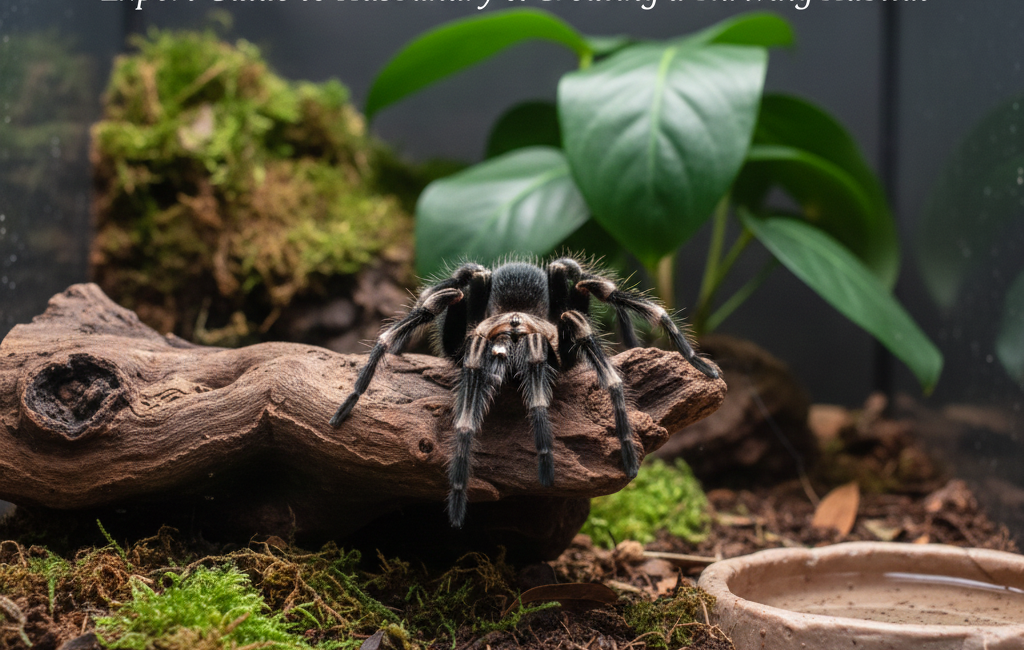
How to Care for a Pet Costa Rican Zebra Tarantula
Hey, spider lovers and curious pet folks! It’s JV Charles, the dude running Diggity Dog sure, we kicked off with four-legged fluffers, but I’ve always had a soft spot for the eight-legged crew too. With all the hype around these striped beauties popping up in chats lately, I figured it’s time to spill on How to Care for a Pet Costa Rican Zebra Tarantula. Picture this: You snag one of these black-and-white stunners, set up their pad just right, and watch dig tunnels like tiny engineers. It’s oddly addictive, but mess up the basics, and things go south quick. Pulling from my own trial-and-error with these guys and fresh scoops from arachnid experts in 2025, we’ll get you sorted so your leggy friend stays perky and you avoid the rookie pitfalls.
I’ve messed around with a bunch of tarantulas myself, from saving strays to fancy display setups, and man, there’s nothing like catching a clean molt on one of these. Cutting the BS here’s the real-deal tips to make your pet tarantula adventure smooth sailing.
Key Takeaways
- Costa Rican Zebra Tarantulas (that’s Aphonopelma seemanni for the science nerds) are pretty forgiving for starters, but they crave deep dirt for burrowing to feel at home.
- Temps in the 70-85°F zone and humidity hovering 60-80% – skimpy on water, they dry out; drown and mold takes over.
- Dish out live bugs or zapped ones like crickets every week or so for grown-ups; ease off when they’re shedding.
- Hands off mostly – they fling itchy hairs if you bug .
- Peek in the tank often to catch bugs like mites or botched molts early.
Digging Into What Makes a Costa Rican Zebra Tarantula Tick
These flashy crawlers come from Costa Rica’s less soggy areas, where they hole up underground. They’re floor dwellers, not the web-slinging types you see in flicks. Ladies stick around 15-20 years, dudes maybe half so yeah, it’s a commitment. Word from The Tarantula Collective’s spring 2025 refresh says wild ones are getting hammered by losing their spots, so stick to bred-in-captivity from solid sellers to skip the guilt trip on wild catches.
Picking a Zebra for Your Pad
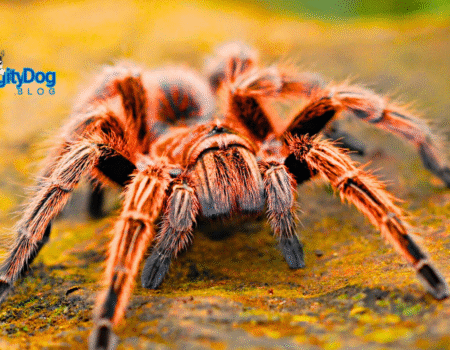
They’re a solid pick for noobs in tarantula care, rocking those white knee bands on pitch-black bodies. Not too zippy or bitey, but they might dash if you spook . My starter, Ziggy, was a hider at first vanished for days after moving in, but once comfy, she’d pop out right on cue for grub time.
Nailing the Tank Setup
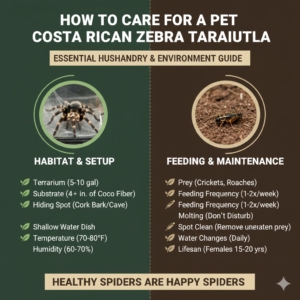
Get the crib right, and you’re golden on most pet tarantula headaches. Grab a 5-10 gallon tank for the big ones more floor than height, ’cause they’re not climbers. Snap that lid shut; these sneaks can wriggle out of tight spots.
Dirt and Hidey-Holes
Pile it on thick 3-5 inches of coco fiber or dirt-moss mash (no chems, as per the latest Reddit rants from 2025). Lets burrow like pros, which is their jam. Toss in cork slabs or a buried flower pot for cover – security’s everything. Dial A Vet’s summer 2025 post says keep it dampish for babies, drier for adults to fend off funky growth.
Heat and Moisture Must-Dos
Shoot for 70-85°F with a mat heater on one end lets pick their spot. Skip the rocks; they scorch. Humidity wise, 60-80% spritz lightly or plop in a dish. Cedar Pet Supply’s late summer 2025 bit cautions against soaking grab a cheap hygrometer. In my rig, a basic digital setup’s been a lifesaver.
Chow Time for Your Zebra
Not fussy feeders, but schedule’s key. Adults munch every 7-10 days on crickets, roaches, or worms match the size to their gut. Kids? Every few days. Zap the prey if bugs creep you out; tongs are your buddy. A fresh YouTube drop from mid-December 2025 hammers on stuffing the bugs with greens first for extra nutrients.
Spot the pre-shed vibes like faded looks or skipped meals – back off the food. Leftover critters? Yank to keep stress low. Ziggy pulled a hunger strike once for weeks before popping out shiny new; hanging tight in Aphonopelma seemanni world pays dividends.
Staying Healthy and Hands-Off Vibes
These tanks are hardy, but eye the warnings. Shriveled belly? Pump the mist. Mites crashing the party? Isolate and scrub. Bad sheds aren’t common but suck; moisture helps. Tree of Life’s 2025 care rundown pushes light touching drops can wreck and those hairs sting eyes or skin. Gloves maybe, but really, just watch the show.
Shedding Shenanigans
Youngsters swap skins every couple months, old-timers yearly. Hold off feeding a week after lets fangs toughen. Trouble? Vet up hunt for an exotic doc.
Slip-Ups to Dodge
Rookies drown the dirt often, breeding slime. Or they poke too much, freaking the spider. Painted Reptile’s 2025 guide hits it: Chill out. No roommates either; loners might snack on each other.
Leveling Up for Seasoned Keepers
Basics down? Try bioactive tanks springtails munch waste. Grimoire Exotics‘ fall 2024 take (still hot in 2025) floats plants like pothos for that humidity kick. Snap pics of growth; it’s kinda fun.
FAQs
Tank size for a Costa Rican Zebra Tarantula?
5-10 gallons for adults, deep dirt. Babies in cups or vials.
Feeding frequency for my pet tarantula?
Grown-ups 7-10 days, young’uns 3-5. They know when to stop.
Special lights for zebras?
Nah, room glow’s enough. Night owls, no UVB needed.
Zebras cool for newbies?
Yep, but dig into tarantula care upfront. Mellow, but setup’s crucial.
Tarantula on a diet?
Might be shedding prep. Ride it out; if it drags, humidity check and vet chat.
References
- The Tarantula Collective. (2025, March). Aphonopelma seemanni Care Guide.
- Dial A Vet. (2025, July 7). Tips to Care for a Pet Costa Rican Zebra Tarantula.
- Cedar Pet Supply. (2025, July 29). Stripe-Knee Tarantula: Complete Care Guide.
- Essential Care Tips for Aphonopelma seemanni. (2025, December 18). YouTube.
- Tree of Life Exotic Pet Medical Center. (2025). Tarantula Care.
Alright, web-slinging crew – that’s your cheat sheet for nailing zebra tarantula life. Got enclosure hacks or wild stories? Dump below. Keep it creepy!

Other Articles
A Comprehensive Guide to Pet Snail Care
Do Dogs Need Coats? Expert Insights on Keeping Your Pet Warm


No Comment! Be the first one.