

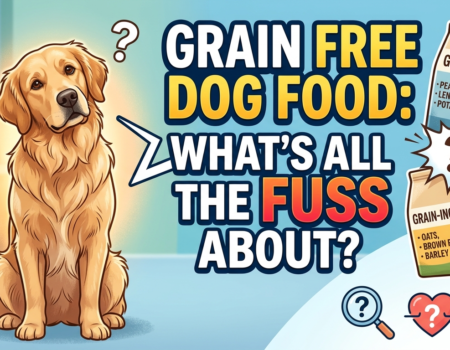
Grain Free Dog Food: What's All The Fuss About
Grain-free dog food went from a niche “premium” option to a massive industry trend almost overnight. Pet parents switched in droves, hoping to solve allergies, improve coats, reduce digestive issues, and give their dogs a more “natural” or “ancestral” diet. Marketing made it sound like the holy grail of canine nutrition. Then came the FDA warnings linking some grain-free diets to dilated cardiomyopathy (DCM) in dogs. Suddenly, what was once hailed as a health breakthrough became controversial. So what’s the real story in 2026?
This complete guide cuts through the hype and confusion. We’ll explain exactly what “grain-free” means, why it became so popular, the science (and the FDA investigation), the current research, when grain-free might actually be helpful, and how to choose the best food for your dog — whether it contains grains or not. By the end you’ll have clear, practical advice instead of marketing slogans.
What Does “Grain-Free” Actually Mean?
Grain-free dog food simply replaces common grains (wheat, corn, rice, barley, oats) with alternative carbohydrate sources such as peas, lentils, chickpeas, potatoes, sweet potatoes, or tapioca. The idea was to mimic a wolf’s natural diet and avoid potential allergens. However, “grain-free” does not mean carbohydrate-free or low-carb. Many grain-free formulas actually contain higher levels of legumes and starches than traditional kibble.
The key difference is the source of those carbs, not the total amount. Marketing often implied grain-free was inherently healthier, but that claim is not supported by strong science for the average healthy dog.
Why Grain-Free Became So Popular
The trend started gaining traction around 2012–2015. Many owners reported fewer allergy symptoms, better stools, and shinier coats after switching. Social media and influencers amplified these success stories. Brands positioned grain-free as premium, “ancestral,” and more digestible. Sales exploded — at one point grain-free accounted for nearly 40% of the dry dog food market in the US.
Pet parents also believed grains caused food sensitivities. In reality, true grain allergies in dogs are relatively rare compared to sensitivities to common proteins like beef, chicken, or dairy. The perception, however, drove massive demand.
The FDA Investigation and the DCM Concern
In 2018 the FDA began investigating reports of dilated cardiomyopathy (DCM) — a serious heart disease — in dogs eating grain-free diets. By 2019 they had linked hundreds of cases to diets high in peas, lentils, chickpeas, and other legumes. The common thread wasn’t the absence of grains, but the high inclusion of these pulse ingredients as primary carb sources in many grain-free formulas.
The FDA has never banned grain-free food. They advised caution and continued research. By 2026, newer studies show the risk appears tied to specific formulations rather than grain-free diets as a whole. Some dogs have genetic predispositions (especially certain large breeds like Great Danes, Boxers, and Dobermans), and factors such as taurine levels, overall diet balance, and processing methods also play important roles.

What Current Science Says in 2026
Research has evolved since the initial scare. While early reports raised valid concerns, more recent studies indicate that properly formulated grain-free foods can be safe for most dogs. The key factors appear to be:
- Balanced taurine and methionine levels
- High-quality animal proteins as the primary ingredients
- Lower reliance on legumes as the main carbohydrate source
- Proper processing and cooking methods
Traditional grain-inclusive foods remain a safe, cost-effective, and well-researched choice for the vast majority of healthy dogs. Grain-free is not inherently superior — and in some cases may be less optimal if not carefully formulated.
Pros of Grain-Free Dog Food
- May help dogs with confirmed grain allergies or sensitivities
- Often higher in animal protein
- Can be useful for dogs with specific digestive issues that improve on alternative carbs
- Some formulas use novel proteins that reduce allergy risk
Cons and Potential Risks
- Higher cost per serving
- Potential DCM link in poorly formulated products
- Higher carbohydrate content from legumes in some brands
- Less long-term research compared to traditional grain-inclusive diets
- Not necessary for the average healthy dog
When Grain-Free Might Actually Be the Right Choice
Consider grain-free if your dog has:
- A confirmed grain allergy verified by elimination diet and vet testing
- Chronic digestive issues that clearly improve on grain-free
- A breed with known predisposition to certain food sensitivities
Always work with your vet. Long-term grain-free feeding should include proper taurine supplementation and regular heart health monitoring for at-risk breeds.
How to Choose the Best Dog Food (Grain-Free or Not)
Focus on these factors regardless of whether the food contains grains:
- Named animal proteins as the first 2–3 ingredients
- A clear AAFCO statement for your dog’s life stage
- Added taurine and high-quality fats
- Third-party testing or strong quality control reputation
- Appropriate calorie density for your dog’s activity level and body condition
The best food is the one your dog thrives on — shiny coat, good energy, solid stools, and healthy weight.
The Fuss Is Mostly Marketing — Focus on What Works for Your Dog
Grain-free dog food isn’t inherently dangerous or magically superior. It’s a tool that can help some dogs with specific issues but isn’t necessary for the average healthy dog. The real story in 2026 is balance: choose high-quality food with proper formulation, monitor your dog’s health, and work with your vet instead of following trends.
Don’t panic if you’ve been feeding grain-free. Many dogs do perfectly well on it. The key is staying informed, watching for changes, and being willing to adjust based on your individual dog’s needs rather than marketing claims.
Your dog’s health is what matters most. Choose food that keeps them happy, energetic, and healthy — whether it contains grains or not.
Want weekly dog nutrition tips, food recommendations, ingredient breakdowns, and more practical guides? Join the DiggityDog newsletter free — no spam, just tail-wagging advice delivered straight to you.
About the Author

J.V. CHARLES – DiggityDog
Dog nutrition enthusiast and founder of DiggityDog. Passionate about cutting through the marketing noise to help pet parents make informed, evidence-based choices that keep their dogs healthy and happy for life.

Other Articles
A Complete Guide to Effective Flea Treatments for Dogs


No Comment! Be the first one.