


How to Get Rid of Ear Mites in Cats: Simple and Safe Treatment Tips for Pet Parents
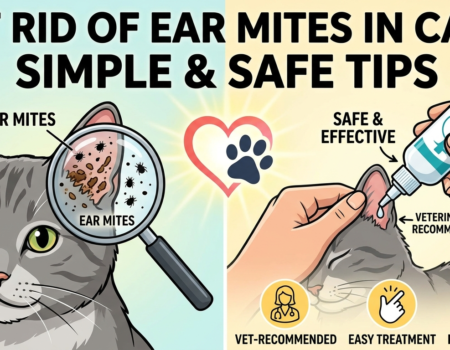
Ear mites are one of the most common — and frustrating — problems cat parents face. These tiny parasites (Otodectes cynotis) are highly contagious and love the warm, dark environment of a cat’s ear canal. They cause intense itching, dark crumbly debris that looks like coffee grounds, and constant head shaking or ear scratching. Left untreated, ear mites can lead to secondary infections, hearing issues, or even permanent ear damage.
The good news? Ear mites are very treatable, and you can often manage mild cases safely at home with the right approach. In this comprehensive guide, you’ll learn how to recognize the signs, confirm the diagnosis, choose safe treatments (both vet-prescribed and gentle home options), clean your cat’s ears properly, and prevent re-infestation. Whether you have a new kitten or a senior cat, these practical, vet-backed tips will help you get rid of ear mites quickly and keep your kitty comfortable again.
What Are Ear Mites and Why Do Cats Get Them?
Ear mites are microscopic arachnids that live on the surface of the ear canal skin. They feed on skin debris, wax, and tissue fluids. They spread easily through direct contact — from cat to cat, or even from a dog or ferret that carries them. Kittens and outdoor cats are most at risk, but any cat can pick them up at the vet, groomer, or shelter.
Because mites multiply rapidly (a female can lay dozens of eggs), an infestation can explode in just a few weeks if not treated.
Common Symptoms of Ear Mites in Cats
Watch for these classic signs:
- Constant ear scratching or head shaking
- Dark, crumbly “coffee ground” debris in the ears
- Red, inflamed, or swollen ear canals
- Strong, unpleasant odor from the ears
- Excessive waxy or crusty buildup
- Behavioral changes like hiding or irritability when ears are touched
Advanced cases can lead to secondary bacterial or yeast infections, causing even more discomfort and possible hearing loss.
How to Confirm Ear Mites (Diagnosis)
The only way to know for sure is a vet exam. Your veterinarian will use an otoscope to look deep into the ear canal and may take a sample of debris to examine under a microscope. This quick, painless test confirms mites versus other causes like ear infections or allergies.
Never assume it’s mites and start treatment without confirmation — many ear problems look similar but need different treatment.

Safe & Effective Treatment Options
Modern ear mite treatments are highly effective and usually require just one or two applications. Common options include:
- Revolution or Advantage Multi (topical spot-on that kills mites systemically)
- Ear drops containing selamectin or milbemycin
- Oral medications in some cases
Follow your vet’s instructions exactly — most treatments kill both adult mites and eggs.
2. Gentle At-Home CleaningCleaning removes debris and helps medication work better. Use a vet-approved ear cleaner (never cotton swabs deep in the canal). Gently massage the base of the ear for 30 seconds, then let your cat shake out the debris.
Step-by-Step Home Treatment Plan
Day 1–3: Vet visit + first treatment dose. Clean ears gently once daily.
Day 4–7: Continue cleaning and monitor symptoms. Second dose if prescribed.
Week 2–3: Full follow-up cleaning every 2–3 days. Watch for improvement.
Week 4: Re-check with vet to confirm mites are gone.
Treat all pets in the household at the same time — mites spread easily between cats and even dogs.
Natural & Supportive Remedies (Use With Vet Treatment)
While not a replacement for medication, these can help soothe and support healing:
- Warm compresses to reduce swelling
- Coconut oil (a thin layer on the outer ear — has mild anti-parasitic properties)
- Aloe vera gel (pure, inner leaf only) for soothing irritated skin
Always check with your vet before using any home remedy.
Prevention: How to Keep Ear Mites Away for Good
- Regular ear checks during grooming
- Keep indoor cats away from stray or outdoor animals
- Use monthly flea/tick preventatives that also cover ear mites (e.g., Revolution)
- Clean bedding, toys, and carriers regularly
- Quarantine new cats for 2 weeks and treat preventively
Ear Mites Are Treatable — Your Cat Can Feel Better Fast
Ear mites are uncomfortable and contagious, but they’re also very manageable with the right approach. By recognizing the signs early, getting a proper diagnosis, following a consistent treatment plan, and taking simple prevention steps, you can eliminate ear mites and keep your cat comfortable and happy.
Most cats show dramatic improvement within 7–14 days of starting treatment. Be patient, stay consistent, and don’t hesitate to follow up with your vet if symptoms persist. Your cat relies on you to notice when something isn’t right — and you’ve already taken the first step by reading this guide.
Want weekly cat health tips, ear care routines, parasite prevention advice, and more ways to keep your kitty happy and healthy? Join the DiggityDog newsletter free — no spam, just purr-fect advice delivered straight to you.
About the Author

J.V. CHARLES– DiggityDog
Cat and dog health advocate and founder of DiggityDog. Passionate about helping pet parents spot and solve common issues like ear mites so their furry family members can live their happiest, healthiest lives.




No Comment! Be the first one.