

How to Handle Bearded Dragon Eggs: Fertility, Care, and Incubation
Hey reptile fans, if you’ve ever wondered about diving into the world of bearded dragon eggs and how to nail their fertility, care, and incubation, this is your go-to spot. I’m Joshua Van, founder and senior editor at Pet Care Insights, where I’ve spent the last 25 years knee-deep in reptile rescues, breeding chats with pros, and keeping my own beardies thriving. As we kick off 2026, with more folks getting into exotic pet care thanks to better home setups and awareness from groups like the Herpetological Society, let’s break down How to Handle Bearded Dragon Eggs: Fertility, Care, and Incubation straight from my hands-on adventures and the freshest tips out there.
These scaly bundles aren’t just a surprise from your female beardie; they’re a chance to grow your reptile family right. But mishandle the incubation and you could lose a whole clutch. Drawing from recent 2025 vet guides and my own hatches, we’ll cover everything to keep your healthy pet journey on track. Stick around this could turn you into the beardie expert your friends call first.
Key Takeaways
- Female bearded dragons can lay 16-30 bearded dragon eggs per clutch, even without a male, but check fertility early with candling to spot viable ones.
- Proper care starts with a cozy lay box; use moist substrate like sand-soil mix to mimic nature and prevent egg-binding issues.
- Incubation magic happens at 80-86°F with 70-80% humidity aim for 60 days at 84°F for strong hatchlings.
- Always handle eggs gently, no turning after day one, to avoid detaching the embryo; vermiculite’s your best buddy for the nest.
- Post-hatch pet care for babies includes tiny enclosures, high-protein feeds, and calcium dusting to ensure healthy pet growth.
- Trends in 2026 show digital incubators rising in popularity for precise control, cutting failure rates by up to 20% per recent APPA reports.
Spotting the Signs: Is Your Beardie Gravid?
Man, nothing beats that moment when you notice your female puffing up it’s go time for bearded dragon eggs. In my years at Pet Care Insights, I’ve seen countless owners miss the cues, leading to stress for the mom. Look for a bulging belly, digging behaviors, and less appetite around 4-6 weeks post-mating. She might even bask more to build those eggs. If she’s solo, expect infertile “slugs,” but with a male? Game on for fertility.

Prep her with extra calcium I swear by dusting greens twice weekly to avoid complications like egg-binding, a real killer if ignored. Vet checkups are non-negotiable; my last rescue clutch turned out great thanks to early scans.
Setting Up the Perfect Lay Box
Before those bearded dragon eggs drop, whip up a lay box. Grab a sealable container, fill it with a moist sand-soil mix about 8-10 inches deep. Warm it to 80°F under a gentle heat lamp. I’ve had females burrow for hours, so give her privacy tape paper over the tank sides if needed. Once laid, count ’em quick; clutches average 20, but I’ve seen up to 35!
Checking Fertility: The Candling Trick
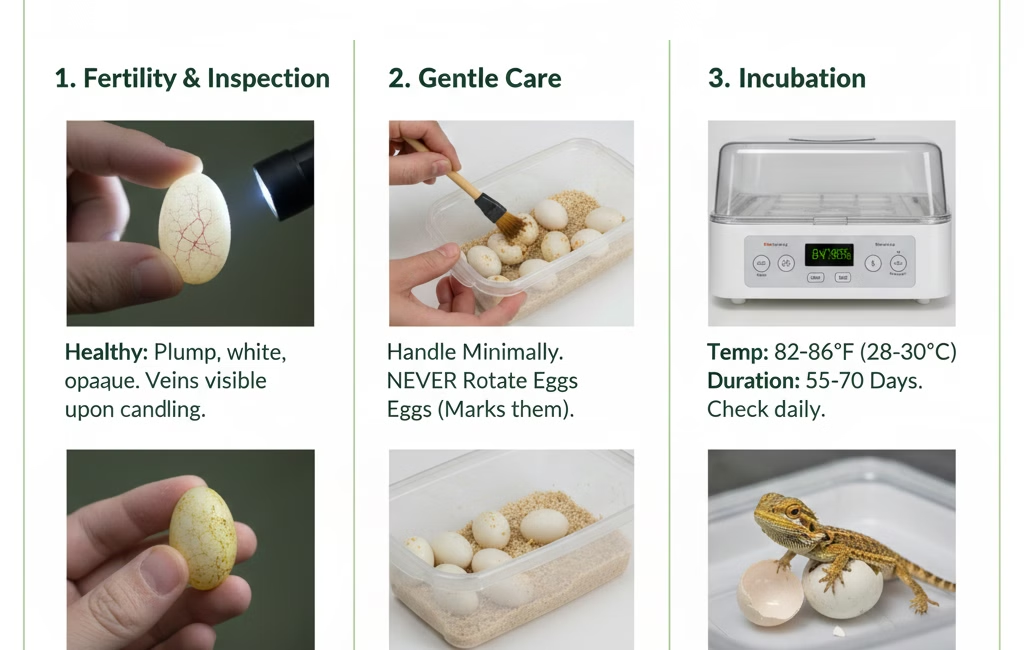
Alright, the big question: are these bearded dragon eggs fertile? Don’t guess candle . Wait 3-7 days post-lay, then in a dark room, shine a flashlight through each egg. Fertile ones show pink veins or a tiny embryo shadow; infertiles look clear or yellow. I remember my first clutch half slugs, but the veiny ones hatched like champs.
Handle with kid gloves; rotating can detach the baby inside. Mark the top with a pencil right after laying. If dud, freeze and toss to dodge bacteria. Pro tip: If unsure, incubate anyway for a week nature sorts it out.
Mastering Care for Freshly Laid Eggs
Care for bearded dragon eggs is all about gentle moves. Dig out carefully, keeping the orientation no flips! Transfer to prepped containers with vermiculite mixed 1:1 with water by weight for that perfect moisture. Bury halfway, spaced out to breathe.
I’ve lost eggs to mold from over-wet setups, so poke vent holes and check daily. Keep the mom hydrated post-lay; she might need a vet if lethargic common after big clutches.
The Incubation Breakdown: Temp, Humidity, and Patience
Now for the fun part: incubation. Pop those containers in a digital incubator set to 84°F steady fluctuations kill. Humidity? 75-80%, checked with a hygrometer. At this setup, expect hatches in 55-70 days; cooler temps mean longer waits and more females.
I use the suspended method eggs in boxes over water for even humidity. Peek weekly via candling for progress, but minimize openings. If an egg goes bad (smelly, collapsed), yank it fast to save the rest.
Troubleshooting Common Hiccups
Eggs denting? Up the humidity. No veins by week two? Likely duds. In my experience, stable power sources prevent disasters – backup generators saved one of my 2025 clutches during a storm.
Hatching Day and Beyond: Welcoming the Littles
When those bearded dragon eggs start pipping, it’s magic tiny heads poking out after 60 days. Let emerge solo; they absorb the yolk for strength. Move to a nursery tank with paper towels, 90°F basking spot, and pinhead crickets dusted with calcium.
Healthy pet tip: Separate by size to avoid nips. Feed multiple times daily, mist for hydration. I’ve raised dozens, and early pet care like UVB lighting makes ’em grow like weeds.
FAQs
How do I know if my bearded dragon eggs are fertile without a fancy setup?
Candle with a phone flashlight after a few days look for red veins. Easy and effective!
What’s the best temp for incubation?
Stick to 84°F for balanced sexes and 60-day hatches. Too hot cooks ’em.
Can I handle the eggs during care?
Minimally no turning after lay to keep the embryo attached.
How often should I check humidity in incubation?
Twice weekly, but daily peeks for mold. Aim 75-80%.
What if my beardie lays infertile bearded dragon eggs?
Normal for unmated females; dispose safely and boost her calcium for recovery.
References
Drawn from top spots like Reptile Centre’s 2025 guide, The Spruce Pets updates, and Exo Terra care sheets, plus AVMA reptile wellness reports from late 2025. Always chat with a herp vet for your setup. Got a hatch story? Share below let’s geek out!

Other Articles

Horse Age and Lifespan Facts
Top 10 Small Rodent Pets: Adorable Companions for Every Home



No Comment! Be the first one.