


How to Safely Transition Your Dog or Cat to New Food
Hey there, fellow animal nuts picture this: you’re eyeing that fancy new bag of chow, convinced it’ll perk up your buddy’s coat or settle their iffy gut, but the thought of a botched switch has you sweating bullets. That’s the real deal with how to safely transition your dog or cat to new food do it wrong, and you’re mopping up messes; nail it, and everybody’s thriving. I’ve goofed it up plenty in my day, but now I’ve got the hang of it, and I’m here to pass on the wisdom so you skip the headaches. In this chat about how to safely transition your dog or cat to new food, we’ll walk through it easy-like, pulling from my own trial-and-error with my ragtag pack.
I’m Joshua Van, the one who kicked off Diggity Dog and still calls the shots as senior editor. We’ve been slinging straightforward pet care tips forever, and yeah, I’ve juggled food switches for my allergy-riddled retriever and those snooty cats of mine. Forget the polished fluff; this is gritty advice from late-night vet calls and a ton of label-reading, mixed with the newest scoops from pros I’ve bugged as of this frosty December 2025.
Key Takeaways
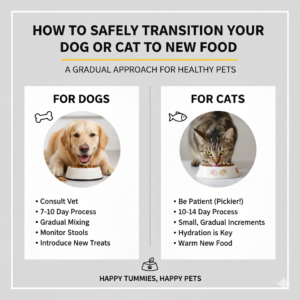
- Ease into it over 7-10 days, or drag it to two weeks if your pet’s got a touchy belly beats dealing with barf sessions.
- Blend old and new starting small, like 25% fresh stuff in the mix, and crank it up slow.
- Keep an eye out for red flags runny poops or skipped meals mean pump the brakes.
- Cats? They’re drama queens; might take a full 40 days to warm up without a fuss.
- Chat with your vet upfront, especially for health tweaks that’s smart pet care 101.
Why Bother Switching (And Picking the Moment)
Food flips aren’t random; could be doc’s orders for itchies or you’re chasing that healthy pet glow with primo ingredients. From my screw-ups, slamming the door on old food cold turkey spells disaster hello, tummy tantrums. Chats with nutrition whizzes this year hammer home the slow roll to let those gut bugs adjust without flipping out.
Last year, I ditched grains for my dog after he started scratching like mad. Took my time, and presto no more itch, all gloss. But with a cranky foster kitty? Rushed it once, and she boycotted chow for days. Lesson learned.
Nailing the Timing
If your fur ball’s flaky, packing on pounds, or just dragging, a swap might jazz up. Vets these days push for labels screaming real meat and zero junk, straight from 2025 updates.
Your Go-To Switcheroo Roadmap
Time to roll up sleeves for how to safely transition your dog or cat to new food. This play-by-play’s yanked from spots like Fetch and PetMD, hot off the presses from late 2025.
Kickoff: Days 1-2
Toss in 25% new with 75% familiar. Dish it normal-style, maybe nuke it a sec for that yummy smell. My cat? I dusted on her go-to treats to lure her bingo.
Midway: Days 3-4
Half and half now. Stick to usual scoops so nobody pigs out. My speedy eater dog? Puzzle bowls mix it fair and square.
Almost There: Days 5-6
75% new, quarter old. Most critters chill by now, but if yours freaks, hold steady and ring the vet.
Home Stretch: Day 7 Onward
Full-on new grub! If it’s smooth, high-five yourself. Picky cats though? Stretch it some say 40 days for the divas.
Dealing with Finicky Folks and Delicate Digestion
Switches ain’t always a breeze. Cat ghosts the bowl or dog gets bubbly? Dial back. Cheer on with pets or a yogurt blob for gut calm, like AAHA folks suggested this year.
Raw or home-cooked jumps? Places like VNG say go extra snail-paced, splash in broth to tempt. Did that for my pup’s raw test run; extra time, but man, the pep in his step.
Tweaks for Ages and Breeds
Little pups or old-timers need baby steps tinier jumps, longer haul. My big golden sails through, but wee dogs or senior cats? Handle with kid gloves.
Slip-Ups to Sidestep
Water’s your buddy guzzle more during swaps for easy digestion. And no shortcuts; abrupt’ s a no-go. If woes stick around, like endless runs, vet pronto might not be the food.
Bringing in the Experts
Big health pivot? Vet chat mandatory. They’re clued in on custom plans, especially with all the gut health buzz in 2025.
FAQs
Real timeline for cat food flips?
10 days tops for average Joes, but touchy ones? Up to 40 hang in there.
Dog snubs the blend now what?
Warm it, broth it, or hype it up. Still nope? Vet’s your next stop.
Rush it for a sturdy pet?
Don’t even iron guts dig the gradual vibe.
Warning signs of a flop?
Pukes, squirts, or hunger strikes. Reverse gear and regroup.
Prime picks for healthy pet swaps?
Doc-approved high-meat, filler-free goodies.
References
- How to safely & easily transition your dog to new food
- A Transition Guide for Switching Dog Food or Cat Food
- How to Switch Your Dog’s Food | PetMD
- Tips and Timelines for Switching Dog or Cat Food | Hill’s Pet US
- How to safely transition your pet’s food – YouTube
- Tips and Timelines for Transitioning Your Pet to a New Food – AAHA
- How to Switch Your Pet’s New Food—Minus the Drama | Chewy
- How to Safely Transition your Dog or Cat to New Food | PetPost
- How to transition your dog or cat to a new food (homemade fresh …
Wrapping this up that’s my lowdown on acing the food flip. Got your own war stories? Hit the comments. Keep the kibble flowing and those whiskers twitching!
Joshua Van Founder & Senior Editor,


How to Tell if Your Dog is Overweight
Managing Seasonal Shedding in Dogs & Cats


No Comment! Be the first one.