

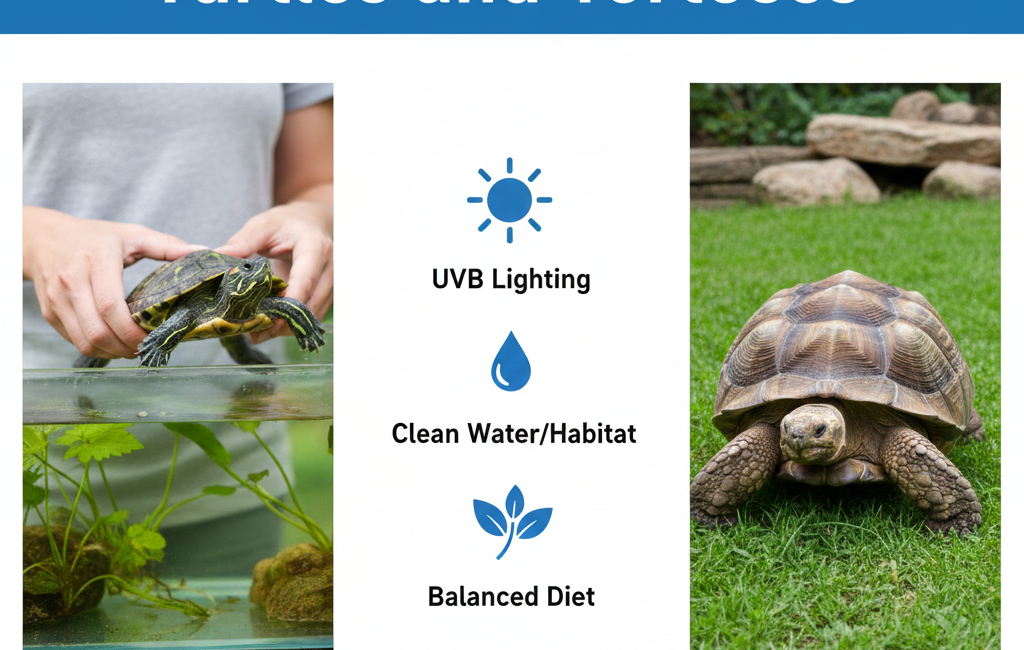
How to Take Care of Turtles and Tortoises
Hey folks, if you’ve been scratching your head over how to take care of turtles and tortoises, I’ve got you covered. I’m Joshua Van, founder and senior editor at Healthy Pet Insights, and let me tell you, these little armored adventurers have stolen my heart over the years. From rescuing a scrappy red-eared slider back in my college days to watching my own Russian tortoise munch through the backyard greens, I’ve learned that nailing pet care basics turns them into lifelong pals who might just outlast your favorite sneakers. Stick with me here, and we’ll unpack everything you need for a healthy pet that’s thriving, not just surviving.
I’ve poured over the latest scoops from vet pros and reptile rescues stuff fresh out of 2026 reports and chatted with folks who’ve been in the trenches. Trust me, these critters aren’t your average goldfish; they demand commitment, but the payoff? Watching them lumber around with that wise-old-soul vibe is pure gold.
Key Takeaways
- Tell turtles from tortoises quick: One’s a swimmer, the other’s a land lubber pick based on your setup.
- They’re in it for the long haul, some living 100 years plus, so gear up for serious pet care.
- Habitat’s king: Roomy spaces, proper lights, and clean digs keep your healthy pet humming.
- Feed smart variety rules, but skip the junk to dodge health hiccups.
- Vet visits aren’t optional; snag a reptile whiz to spot issues before they blow up.
- Skip wild catches; adoption’s the way to go amid rising conservation worries.
Sorting Out Turtles and Tortoises: No More Mix-Ups
Man, I still chuckle at my rookie mistake thinking every shelled guy was the same deal. Nope! Turtles dig water life, with flipper-like feet for paddling around, chowing on a bit of everything from bugs to greens. Tortoises? They’re all about terra firma, stomping along on chunky legs like mini dinosaurs, sticking to a veggie-only menu.

Sizes vary big time a pint-sized turtle might top out at a foot, but some tortoises tip the scales at over a hundred pounds. And talk about longevity: Turtles hang in for 20 to 60 years, tortoises push 100 or more. Fresh from 2026 insights via spots like ReptiFiles and the Turtle Conservation Coalition, these guys recognize faces, love colorful snacks, and sadly, over half the species are threatened now makes adopting even smarter.
Picking Your Shell Buddy: Easy Starters for Newbies
Jumping into pet care? Hold off on that impulse grab at the pet store. I’ve steered so many readers away from regrets, and here’s the scoop: Beginners, aim for forgiving types. Aquatic picks like red-eared sliders or painted turtles bounce back if you tweak things early. For tortoises, Russian or Hermann’s stay manageable without turning your yard into a zoo.
Factor in your pad big yard screams outdoor tortoise heaven in mild weather; tiny apartment? Tank it up with a turtle. Check local rules too; some spots clamp down to shield wild crews. Pro move from my mishaps: Rescue or ethical breeders ensure a healthy pet right off the bat, dodging trade woes hitting the news lately.
Crafting Their Pad: Cozy Quarters That Rock
Nothing beats seeing your buddy explore a killer setup. In my editor gigs for healthy pet tips, I’ve witnessed skimpy habitats spell disaster. Let’s dive in.
Aquatic Turtle Setup
Go big or go home 10 gallons per shell inch means a 5-incher needs 50 gallons minimum. Cram ’em in tight, and stress hits hard. Toss in a solid basking platform, chunky substrate they won’t gulp, and safe hides like logs or fake plants.
Lights are a must: UVB for that vitamin D boost, heat lamp cranking 85-95°F on the dry spot. Water stays cozy at 75-80°F with a beefy filter tackling their messy habits. Swap water weekly, dechlorinate, and test to nix nasty buildups keeps things fresh per 2026 vet guidelines.
Tortoise Territory
These roamers crave space think 100 square feet outdoors for grown-ups, walls dug deep to foil jailbreaks. Indoors, start with a 50-gallon tub using soil or coconut coir. Add burrows, water saucers, and spritz for humidity.
Mimic sun with UVB and baskers: Days at 80-85°F, cooler zones available. For chillier spots, hibernation setups at 40-55°F work, but monitor like a hawk. In sunny climes like Arizona, year-round outside rocks, but guard against pools and poisons.
Feeding Faves: Meals That Make ‘Em Glow
Mess up eats, and turtle care goes south fast. Baby aquatics thrive on half protein (think shrimp, pellets) and half veggies. Grown ones? Feed every few days to stay trim. Tortoises graze grasses, weeds, and leaves no meat or sweets, ever!
Dust with calcium, mix up brands, ban bad boys like rhubarb. My tortoise once turned up his nose at boring kibble till I threw in dandelions boom, happy camper. Fresh H2O always, and natural feeding spots mimic the wild.
Everyday TLC: Routines That Stick
Consistency’s your best friend for a healthy pet. Scoop poops daily, full refreshes weekly for swimmers. Land lovers need misting, fresh grub, and burrow checks. Handle with care cradle underneath, scrub hands to beat salmonella scares. Winter blues? Some snooze, others need indoor heat. Gentle shell brushes? They eat it up!
Keeping Tabs on Health: Catch Sneaky Issues
These pros at hiding woes, so eye swollen lids, runny noses, or draggy moves? Red flags. Yearly vet pokes with tests are gold hunt ARAV-certified pros. Echoing chats with experts like those at Chewy’s 2025 guide (still spot-on in ’26), early fixes save shells. Clean digs fend off bugs.
Pitfalls to Dodge: Lessons from the Front Lines
I’ve fielded tales of tiny tanks stunting growth, junk feeds packing on pounds, UVB skips softening shells. No species mixing germs fly. And releasing? Big no-no, harms ecosystems. Nail researched pet care, and you’re golden.
FAQs
How many years do these guys stick around?
Turtles: 20-60; tortoises: 25-100+. Gear up!
Mix turtles and tortoises?
Bad call needs clash, diseases lurk.
Top starter picks?
Sliders for water fans; Russians for dirt dwellers.
Vet necessary?
Absolutely! Annuals keep your healthy pet tip-top.
Hibernation how-to?
Cool, dim spots in cold zones; watch weight, wetness.
Kid-friendly?
Sure, with adult eyes teach soft touches to skip nips.
References
- ReptiFiles.com: “Tortoise & Turtle Care Sheets” (Accessed January 2026)
- Chewy.com: “Pet Turtles 101: A Beginner’s Guide to Keeping Turtles and Tortoises” (Updated April 30, 2025)
- Arizona-Sonora Desert Museum: “Tortoise Adoption Program – Care and Husbandry” (2026 Edition)
- PetSmart: “Pet Turtle & Tortoise Supply Checklist
- Long Island Bird & Exotics Veterinary Clinic: “Turtle Care Guide
- Turtle Conservation Coalition: “Turtles in Trouble 2025 Report” (Relevant for 2026 Conservation Notes)


Switching Bowls: How to Change Dog Food
Horse Age and Lifespan Facts




No Comment! Be the first one.