

How to Tell if Your Dog is Overweight
Hey there, dog folks picture this: your pup’s looking a bit rounder these days, and you’re scratching your head wondering if it’s just fluff or something more. That’s the everyday puzzle of how to tell if your dog is overweight, and trust me, I’ve puzzled over it with my own scruffy mutt more than once. But spotting the signs early can keep your buddy bouncing around happy and healthy, dodging those extra pounds that sneak up like a thief in the night. In this no-nonsense chat about how to tell if your dog is overweight, we’ll dig into the clues, backed by what I’ve learned from years of wrangling rescues and the freshest vet scoops I could snag.
I’m JV Charles, founder and senior editor of Diggity Dog, where we dish out straight-shooting pet care advice that actually sticks. I’ve got a houseful of hounds, from a chunky Beagle mix who loves his snacks to a lean Greyhound type, so I’ve seen the weight woes up close. No fluff here just real-deal tips from my own backyard battles, mixed with the latest from pros like the Association for Pet Obesity Prevention, hot off their 2025 survey vibes.
Key Takeaways
- Feel those ribs: If they’re buried under padding, your dog’s packing extra aim for easy-to-find but not poking out.
- Check the waist: From up top, there should be a tuck-in behind the ribs; no hourglass means trouble.
- Use the BCS chart: Vets swear by this 1-9 scale shoot for a solid 5 for that healthy pet sweet spot.
- Watch the scale but don’t obsess; body shape tells more than numbers.
- Catch it quick: Early tweaks in grub and playtime beat big fixes later.
Why Dog Weight Sneaks Up on Us
Extra pounds on pups ain’t rare heck, the latest buzz from pet obesity folks says about 50-60% of U.S. dogs are tipping the scales too high, per ongoing 2025 surveys. It’s sneaky because treats add up, and less zoomies as they age pile on. From my gang, I noticed my Beagle buddy slowing down after a lazy winter, and bam chub city.

Vets hammer home that obesity jacks up risks like joint aches, diabetes, or heart stuff. But flip it: keeping trim adds years of tail-wags. Recent chats with experts point to breed tweaks too Labs and Beagles pack it on easy, while sight hounds stay sleek.
The Numbers Game
Stats-wise, a 2025 report from Texas A&M ties it to breeds, homes, and owner habits. If your dog’s over 10% above ideal, it’s overweight; 20%+? Obese territory. My tip: Don’t guess get a vet weigh-in for the baseline.
Hands-On Checks for Extra Fluff
Forget fancy gadgets; your mitts and eyes are the best tools for how to tell if your dog is overweight.
The Rib Rub Test
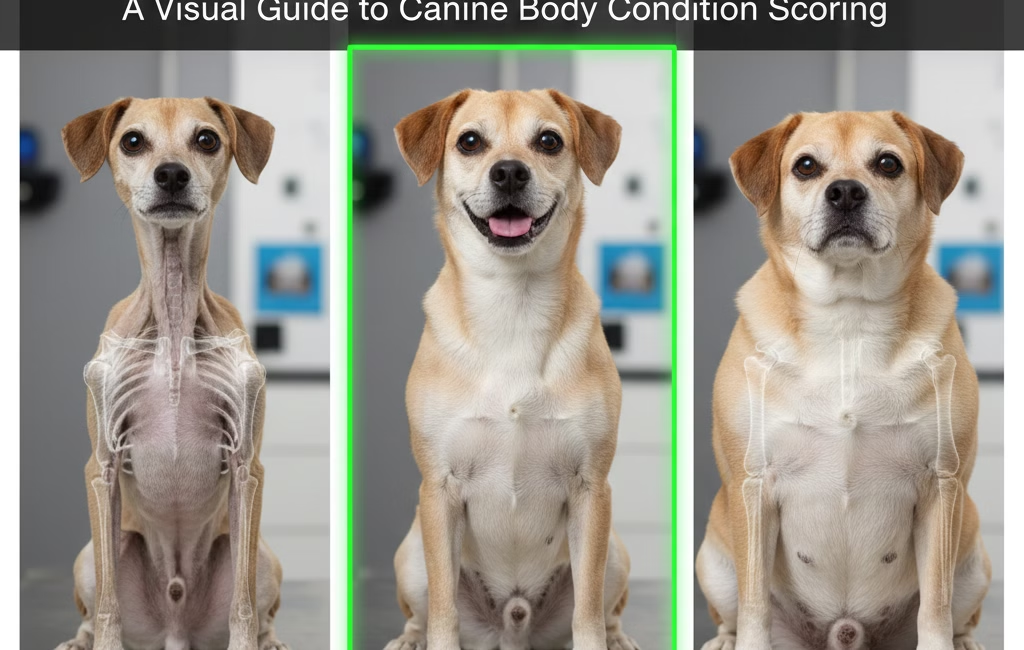
Run your fingers along those sides ribs should feel like knuckles under a thin blanket. Too squishy? Overweight alert. I do this weekly on my crew; caught my mix early last year and nipped it with more walks.
Waist and Tuck Spotting
Peek from above: Hourglass shape with a dip post-ribs? Good. Barrel look? Not so much. Side view: Belly should slope up behind the chest. No tuck means extra baggage.
Scale Smarts
Weigh regularly, but pair with shape checks. Vets say numbers vary by breed a 50-pound Lab might be fit, but a Terrier? Pudgy.
Decoding the Body Condition Score
This BCS thing’s a game-changer a 1-9 ladder where 1’s skin and bones, 9’s a puffball. Ideal’s 4-5: Ribs palpable, waist visible, no fat rolls.
I grabbed one of those charts from Purina’s site and stuck it on my fridge; makes quick checks a habit. Fresh 2025 guidelines from AAHA push this for every vet visit easy way to track.
Breed Twists on BCS
Big boys like Mastiffs carry more natural padding, while Whippets run lean. Adjust expectations; my vet clued me in on that for my mixed bunch.
Red Flags Beyond the Fluff
Overweight pups pant more, lag on walks, or snag skin issues. If your dog’s huffing after a short jaunt like my Beagle did, time for action. Vets warn it amps up arthritis odds too.
Slimming Down Safely
Spotted the chub? Slow and steady cut treats, up the play, maybe switch chow. I trimmed my guy’s portions by 10%, added fetch sessions, and he perked right up. Vet-approved plans are gold; don’t DIY crash diets.
Diet Do’s
Go for high-protein, low-cal kibble. Recent picks include formulas with veggies for fullness without fluff.
Playtime Power
Daily romps burn calories. My secret: Puzzle toys for mental workouts that tire without treats.
When to Hit the Vet
If shape’s off or energy’s low, doc time. They catch hidden stuff like thyroid glitches. I dragged my pup in once; turned out a simple food swap fixed it.
FAQs
What’s the quickest way to check ribs?
Flat hands, gentle press if it’s like feeling your knuckles through a towel, spot on.
How often to weigh my dog?
Monthly at home, or vet visits track trends, not one-offs.
Can toys help with weight?
You bet active ones like balls or tugs keep moving without extra eats.
Breed make a difference?
Yep, some pack it easier; ask your vet for breed-specific tips.
Signs it’s not just weight?
Lethargy or limps? Could be more get checked pronto.
References
- How to tell if your pet is obese — and why it matters
- Pet Health: How do You Determine if a Dog is Overweight?
- Body Condition Scoring for Pets | Dog & Cat Weight Assessment
- Obesity and weight loss in dogs
- Is Your Dog Overweight? Signs, Symptoms & What to Do
- Preventing Obesity in Dogs: Key 2025 Tips for a Happy Pet
- Managing Pet Obesity: Healthy Weight Tips for Dogs and Cats
- Is your dog overweight? Signs, Symptoms & What to Do | Clinton …
- Do you have an overweight dog? Here’s How to Tell
- 2025 Pet Obesity & Nutrition Opinion Survey
Wrapping up keep an eye on that fluff, and your dog’ll thank you with extra zoomies. Got your own weight-watch tales? Spill in the comments. Stay pawsitive!
JV Charles Founder & Senior Editor, Diggity Dog

Other Articles

Why Is My Puppy Breathing So Fast? Causes and When to Worry
How to Safely Transition Your Dog or Cat to New Food


No Comment! Be the first one.