

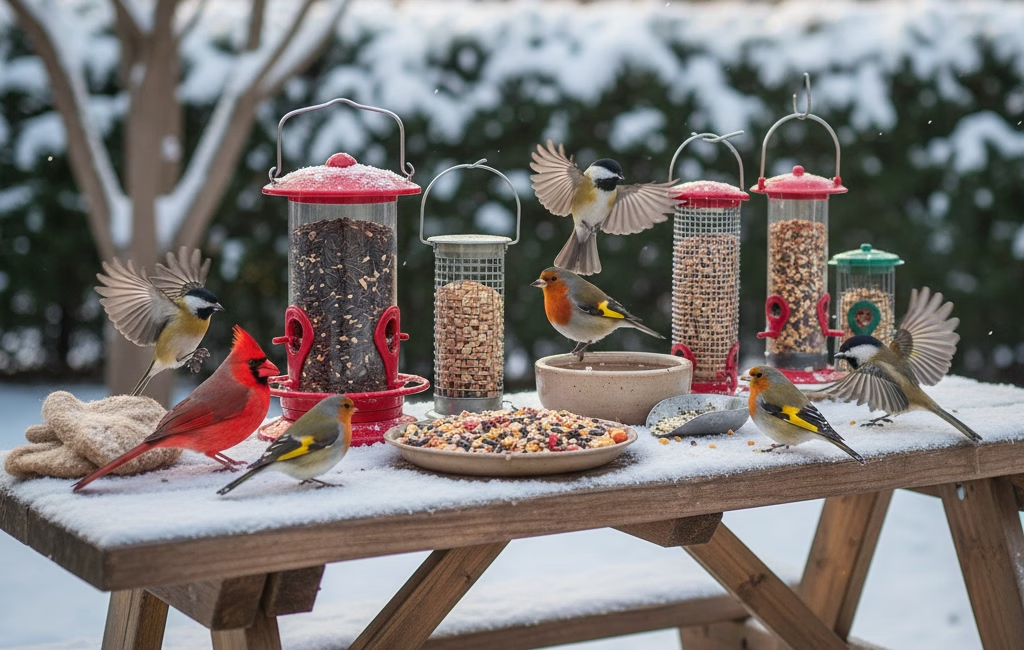
Ultimate Winter Bird Feeding Tips: Keep Your Feathered Friends Thriving This Season
Hey everyone, if you’re looking up those ultimate winter bird feeding tips to give the birds in your backyard a fighting chance against the cold, you’re in good hands here. I’m JV Charles, the guy who started and runs Diggity Dog as senior editor we usually chat about keeping pets healthy and happy, but honestly, why stop there? Those wild birds out there could use a hand too. I’ve been messing around with this stuff for ages, and let me tell you, setting up a simple feeding spot can make your winter yard feel alive with all the fluttering and tweeting. Especially now, with the weather flipping out more each year, these little tricks can really make a difference for the birds scraping by.
Key Takeaways
- Go heavy on the fats: Things like suet, black oil sunflower seeds, and peanuts give birds that much-needed kick to beat the freeze.
- Stay on top of cleaning: Rinse out your bird feeders every week or two to keep nasty stuff like salmonella from spreading.
- Water’s huge: Grab a heated bird bath or just a basic heater to make sure they’ve got something to drink when it’s all iced over.
- Smart placement: Put feeders close to some cover like bushes so birds can duck away from predators, but not too close to turn it into a setup for cats or hawks.
- Portion control: Only toss out what they’ll eat that day no sense in wasting food or drawing in mice.
- Weather watch: With winters getting spotty this year, regular winter bird feeding can help birds deal with those random dry spells for food.
Why Even Bother with Birds in the Winter? It’s Bigger Than You Think
My first stab at winter bird feeding was back when I was a kid out in the Midwest, sneaking crusts from the kitchen and flinging them out the door while my grandma griped about it. Didn’t realize back then how much it matters. When the snow hits hard, all the usual eats bugs, fruits, seeds get hidden or gone. Birds are hustling just to stay warm, chowing down way more than in the warmer months. Running Diggity Dog has me talking to all sorts of animal experts, and it feels like a natural fit to extend that pet care know-how to the wild crowd. Plus, with the earth warming up unevenly, some birds aren’t heading south like they used to, sticking it out in spots where pickings are slim. It’s kinda awesome to spot a splash of color from a finch or jay at your feeder on a gray day perks up the whole vibe.
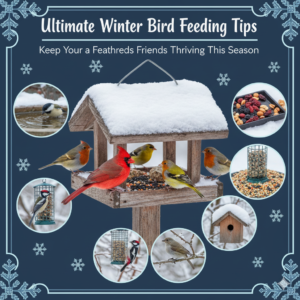
The Real Scoop Behind It
Birds ramp up their engines in the cold, so they crave stuff loaded with fat to keep going. Miss that, and a rough night could do in. But nail it, and you’re helping the local bird crew stick around and even letting you keep tabs on how they’re faring.
What to Stock for Your Bird Buffet
Figuring out the menu is key to good winter bird feeding. Skip the cheap bags full of filler junk like cracked corn it mostly ends up ignored or drawing the wrong crowd like pushy starlings. Stick to hearty options that feel like what they’d find in the wild.
Picks That Pack a Punch
- Suet chunks or mixes: Total hit with woodpeckers and little guys like chickadees. I dangle them in those wire bags, and they vanish quicker than treats at a barbecue.
- Black oil sunflower seeds: Pretty much universal cardinals, finches, everyone digs . They’re greasy in a good way, easy to open, and calorie bombs.
- Unsalted peanuts: In the shell or out, these pull in jays and such. A solid mesh holder keeps the squirrels guessing.
- Nyjer bits: Teeny seeds that goldfinches go nuts for; best in a narrow tube to cut down on spills.
Throw in some dried worms or apple slices for fun but easy if pets are roaming, got to think safety. This winter, with the odd warm snaps throwing off their routines, these rich bites help bounce back from lean times.
Setting Up Feeders and Keeping Them Going Strong
The bird feeders themselves are the heart of it, but grab the wrong kind and it’s like inviting folks over with no chairs. I’ve tried a bunch at our Diggity Dog meetups, and some just click better.
Kinds That Get the Job Done
- Tubes for sunflower seeds or nyjer they shield from rain and meter out the goods.
- Open trays for birds that like to scratch around, like sparrows, but lift off the ground to dodge sogginess.
- Cages for suet straightforward, lets nibble without dropping half.
- Ones that stick to windows for bird-watching up close, but give a wipe often to avoid bonks.
Aim for 10 feet or so from windows to prevent accidents, and near some greenery for quick hides but far enough to keep sneaky critters out. Cleaning-wise, a quick bleach dip every couple weeks does it. Skipped that once, and my yard went quiet not fun.
Water: Don’t Sleep on It This Winter
Food steals the spotlight, but water’s the real clutch player in winter bird feeding. They need it to sip and fluff up their feathers, but everything’s a popsicle. I’ve been using heated bird baths for years now; total lifesavers during deep freezes. Refresh it daily if you can. Short on cash? A flat dish with a little warmer works fine. Set it down low in a sheltered corner you’ll see it turn into the neighborhood hangout fast.
Slip-Ups to Skip from My Own Goofs
I’ve had my share of oops moments. Piled on too much seed one time, and suddenly it’s party central for rodents. Steer clear of bargain seeds, grimy setups, or spots that catch too much wind. Forget slathering poles with goop; those dome baffles are way easier. And taper off come spring so they get back to hunting their own. Lately, with birds hanging around longer from milder weather, watch for any that look off and give the feeders a break to nip spreads in the bud.
The Weather Wild Card and Bird Feeding
In the pet world, you can’t ignore how things are changing outside. Less harsh winters mean fewer birds migrate, but that also means tougher foraging with spots getting built over. Your setup can be that extra cushion. From what I’ve heard lately, it really props up the stay-at-home birds through the weird swings.
Make It a Thing with the Fam
Amp up the enjoyment rope in the family to craft feeders from pinecones smeared with peanut butter and rolled in seeds. Take some photos, throw up online; could start a trend. We weave this into Diggity Dog stuff, blending pet advice with backyard wildlife.
FAQs
Best time to get started with winter bird feeding?
Jump in around late fall, like October, and hang in there until March or whenever the natural stuff comes back.
Okay to toss bread or scraps?
Not the best lacks the good stuff and might upset their tummies. Better off with proper bird food for peak condition.
Squirrels taking over help?
Snag feeders made to thwart or seeds spiked with pepper that birds shrug off. Might take a few tries!
Will this throw off their migration?
Not really, long as you wind down in spring. Tends to help more than hinder, given the wonky weather.
See a bird that’s not looking great?
Pause the feeding for a bit, clean up thorough, and ease back in to keep things from getting worse.
References
- The Audubon guide on winter feeding solid read.
- RSPB’s take on bird feeding dos and don’ts.
- University of Minnesota’s tips for cold-weather bird care.
- EPA bits on climate tweaking where birds winter.
- And stuff from groups like Michigan Audubon.
There it is my spin on winter bird feeding tips to get you going strong. If it clicks or you’ve got your own hacks, chime in below. Bundle up!

Other Articles

No Comment! Be the first one.