

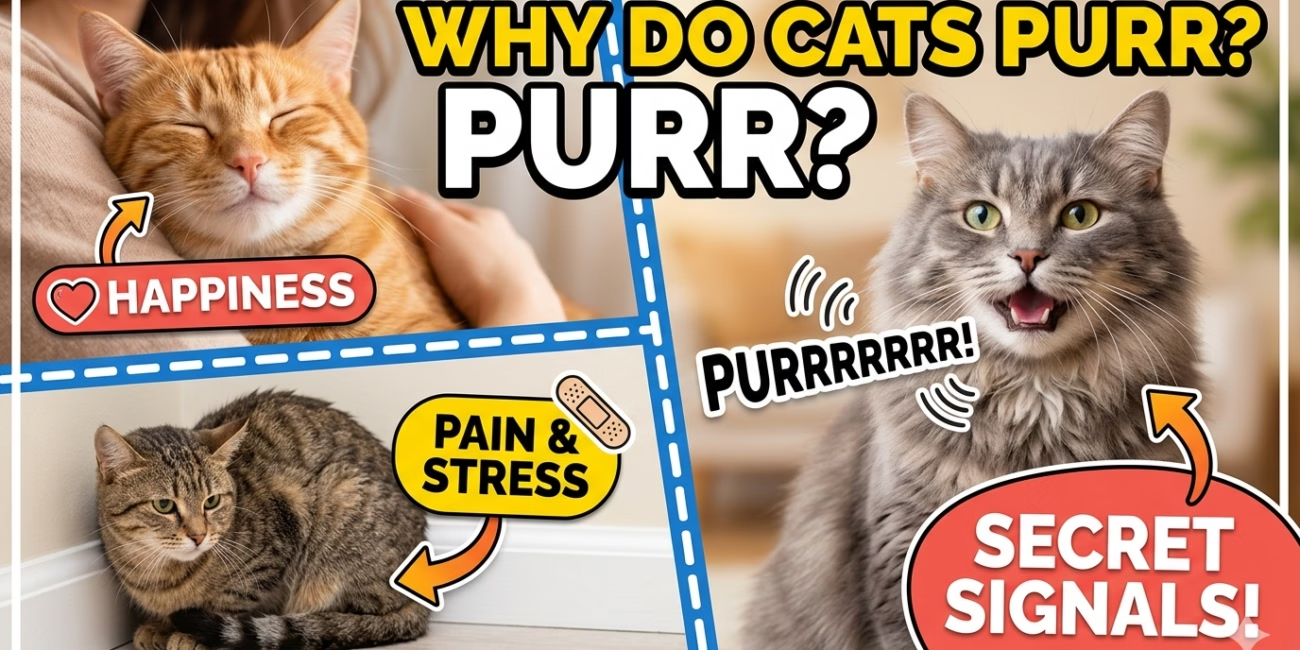
Why Do Cats Purr?
When your cat curls up on your lap and starts that deep, rumbling purr, it feels like pure happiness. But purring is far more complex than most cat parents realize. Cats purr in many different situations — not just when they’re content. They purr when they’re stressed, in pain, hungry, giving birth, and even when they’re dying. Scientists have been studying the purr for decades, and the more we learn, the more fascinating (and useful) it becomes for both cats and their humans.
In this complete 2026 guide we’ll explore exactly how cats produce that signature sound, the surprising reasons they purr in different contexts, the health benefits purring provides for cats and people, the different types of purrs, and practical ways you can encourage more purring in your own cat. Whether you have a young kitten, a senior with arthritis, or a rescue cat who’s still learning to trust, understanding purring will help you build a stronger bond and give your cat the happiest, healthiest life possible.
How Cats Actually Purr: The Science
Unlike meowing, which comes from the vocal cords, purring is produced by the rapid vibration of the laryngeal muscles and the hyoid bone in the throat. Cats can purr both when inhaling and exhaling — a unique ability shared by only a few animals. The frequency of a cat’s purr (usually 25–150 Hz) is remarkably consistent across breeds and even across wild felids like cheetahs and pumas.
This specific frequency range is no accident. Research shows that 25–50 Hz vibrations promote bone growth and healing, while 100–150 Hz can relieve pain and reduce swelling. Nature seems to have built a built-in healing mechanism into the purr.
The Many Reasons Cats Purr
The classic “happy purr” happens during petting, feeding, or nursing. Mother cats purr to reassure kittens, and kittens purr back to signal they’re getting milk. Adult cats purr to strengthen their bond with you.
2. Self-Soothing and Stress ReliefCats purr when they’re anxious, at the vet, or in a new environment. The vibration releases endorphins that calm them down — like a built-in stress-relief tool.
3. Pain Relief and HealingInjured or sick cats purr more. The frequency stimulates tissue repair, increases blood flow, and releases natural painkillers. Veterinarians often hear hospitalized cats purring even when they’re in obvious discomfort.
4. CommunicationA hungry cat uses a special “solicitation purr” — a mix of purr and meow that’s hard for humans to ignore. It’s evolution’s way of getting your attention at 5 a.m.
5. Near the End of LifeMany cats purr softly in their final hours. It may be a way to self-soothe or say goodbye.

Health Benefits of Purring for Cats and Humans
For cats:
- Reduces stress hormones
- Promotes bone density and healing
- Lowers pain perception
- Improves breathing and oxygenation
For humans:
- Lowers blood pressure and heart rate
- Reduces anxiety and cortisol
- Improves mood through oxytocin release
- May even help with chronic pain when you pet a purring cat
One study found that people who own cats have a significantly lower risk of heart attack — partly because of the calming effect of purring.
Recognizing Different Types of Purrs
Not all purrs sound the same. Learn to read your cat’s purr:
- Soft, steady purr — pure contentment
- Louder, rhythmic purr with a “meow” mixed in — the solicitation purr (usually at mealtime)
- Quiet, almost vibrating purr while eyes are half-closed — deep relaxation or self-soothing
- Short, broken purr while breathing heavily — possible pain or respiratory issue
How to Encourage More Purring in Your Cat
Want to hear that wonderful sound more often?
- Pet in the spots they love (chin, cheeks, base of tail)
- Provide warm, quiet sleeping spots
- Use slow blinking and soft talking — cats find this calming
- Offer high-quality food and fresh water
- Play with them daily — exercise often leads to contented purring afterward
- Keep stress low with consistent routines and safe hiding spots
When Purring Might Signal a Problem
Purring is usually positive, but sometimes it’s a sign something is wrong. Contact your vet if your cat is purring while also showing:
- Difficulty breathing or rapid breathing
- Lethargy or hiding more than usual
- Loss of appetite
- Limping or reluctance to jump
- Excessive drooling or vocalizing
A cat purring while in obvious pain or distress needs immediate attention.
Purring Is One of Nature’s Most Beautiful Sounds
Far from being just a sign of happiness, a cat’s purr is a sophisticated communication tool, a built-in healing mechanism, and a powerful stress reliever for both cat and human. Understanding why cats purr helps you read your cat better, respond to their needs faster, and enjoy an even deeper bond.
Next time your cat curls up and starts purring, take a moment to appreciate the incredible little engine that’s vibrating away. It’s not just a sound — it’s your cat telling you they feel safe, they feel loved, and right now, in this moment, everything is right in their world.
Want weekly cat behavior tips, health guides, product recommendations, and more ways to strengthen your bond with your feline friend? Join the DiggityDog newsletter free — no spam, just purr-fect advice delivered straight to you.
About the Author

J.V. CHARLES – DiggityDog
Cat and dog behavior enthusiast and founder of DiggityDog. Passionate about helping pet parents understand their cats better so they can build stronger, happier relationships that last a lifetime.

Other Articles

Does Your Puppy Really Need Special “Puppy Food”?
How To Choose The Best Orthopedic Cat Bed For Senior Cats


No Comment! Be the first one.