

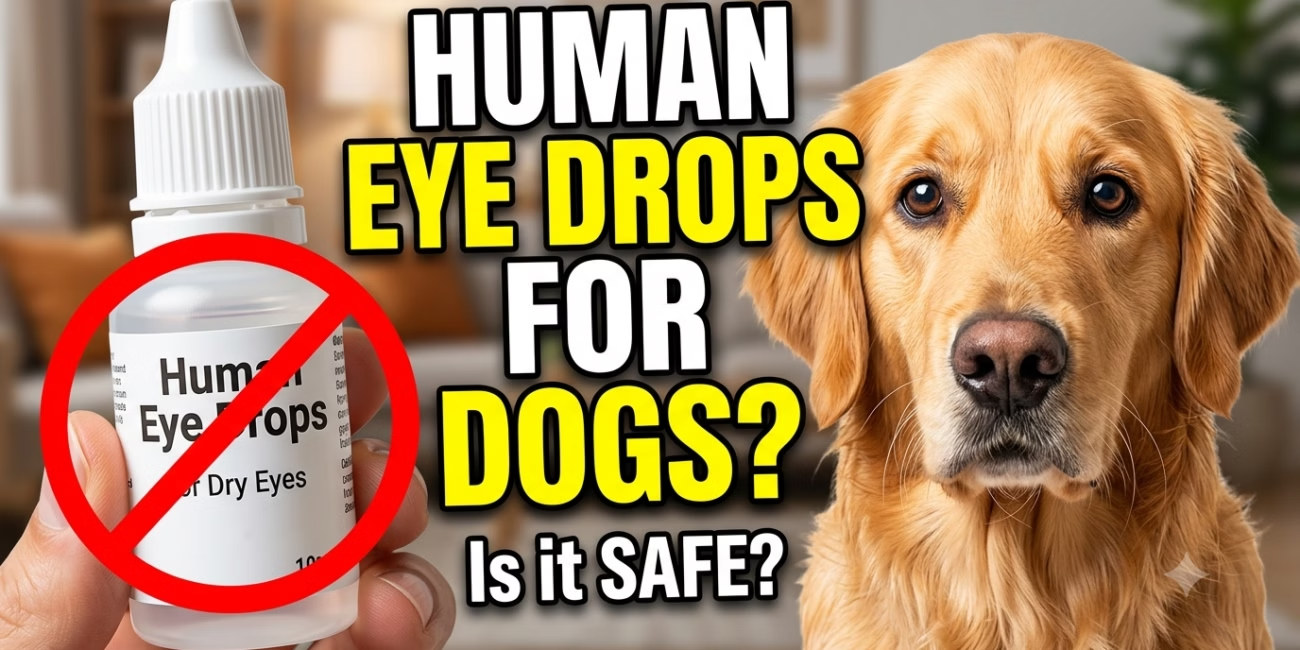
Can You Use Human Eye Drops on Dogs? The Definitive Safety Guide
When you notice your dog squinting or waking up with red, goopy eyes, the immediate instinct is to reach into your own medicine cabinet for a quick fix. Treating minor issues at home is tempting, but when it comes to ocular health, making the wrong choice can lead to catastrophic consequences.
The short answer to whether you can use human medicated eye drops on dogs is an absolute no—with exactly one exception. In this guide, we break down the chemical dangers of over-the-counter human drops, the anatomical differences in canine eyes, and the safe way to provide immediate at-home relief before your vet visit.
The Ocular Medicine Matrix: Human vs. Canine
Before applying anything to your dog's eye, review this safety index to understand exactly why most household drops are dangerous.
| Type of Eye Drop | Active Ingredients | Safety for Dogs | Potential Risk |
|---|---|---|---|
| Redness Relief (e.g., Visine) | Tetrahydrozoline, Naphazoline | Highly Toxic | Cardiovascular collapse, tremors, and coma if ingested through grooming. |
| Prescription Steroid Drops | Dexamethasone, Prednisolone | Dangerous without Vet Diagnosis | Can cause existing corneal ulcers to rapidly rupture, leading to eye loss. |
| Contact Lens Cleaners | Various preservatives and cleaners | Unsafe | Severe chemical irritation and inflammation of the cornea. |
| Plain Sterile Saline | 0.9% Sodium Chloride, Water | Safe for Flushing | None, provided the bottle has absolutely no added preservatives or cleaners. |

Deep-Dive Breakdown: Why You Should Avoid the Medicine Cabinet
Over-the-counter redness-relief drops (like Visine or Clear Eyes) work by constricting blood vessels. While effective for humans, the active ingredients are highly toxic to dogs. Because canine tear ducts drain directly into the back of the throat, and dogs frequently rub and lick their paws after eye irritation, ingestion is almost guaranteed. Even a small amount can cause a dangerous drop in heart rate and neurological distress.
If your dog has gotten dust, sand, or a loose hair in their eye, plain sterile saline solution (the basic kind used for rinsing contact lenses) is safe to use as a flush. However, you must read the label meticulously. It must contain only sodium chloride and water. If the bottle says "multi-purpose solution," "cleaner," or lists any preservatives, do not use it.
The Verdict: When to Call the Vet
Eye issues in dogs escalate from mild irritation to permanent damage incredibly fast. You should bypass home remedies and schedule a vet visit immediately if you notice continuous squinting, yellow or green thick discharge, cloudiness over the pupil, or noticeable swelling around the eyelids.
Never gamble with your dog's vision just to save a trip to the clinic.
Want more un-sponsored canine health deep-dives and safety protocols? Subscribe to the DiggityDog Newsletter today for practical toolkits sent straight to your inbox!

J.V. CHARLES – DiggityDog
J.V. Charles is a pet care specialist and dedicated pet advocate. He founded DiggityDog to bridge the gap between complex veterinary science and practical, everyday advice that empowers pet parents to live happier, healthier lives with their furry companions.

Other Articles

How to Get the Most Out of Your Cat Litter
Are Cat Shelves a Good Idea? Cat Wall Benefits





No Comment! Be the first one.