

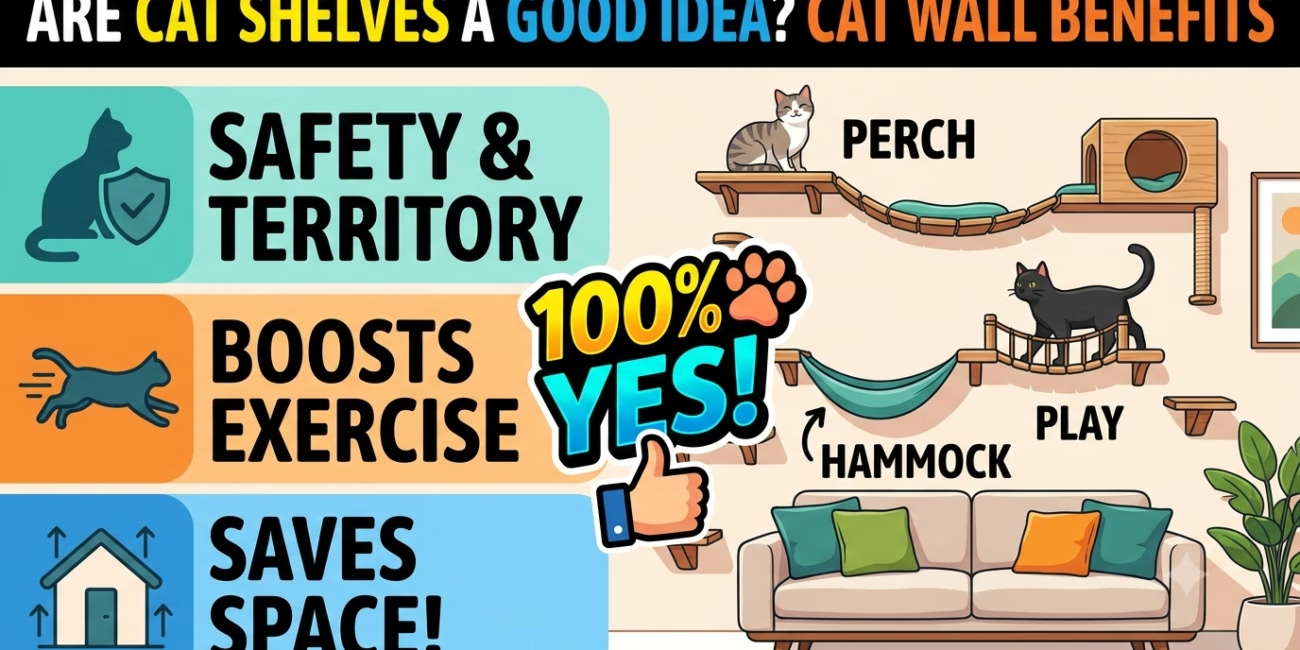
Are Cat Shelves a Good Idea? The Behavioral Benefits of Cat Walls
Humans evaluate real estate in square footage, but cats map their territory in cubic footage. If you are only providing your feline companion with resources on the ground level, you are actively depriving them of their primary evolutionary coping mechanism: height.
In **2026**, "catification" has moved from a fringe interior design trend to a universally recommended veterinary standard. Cat shelves and dedicated cat walls are not just aesthetic novelties; they are essential structural tools for reducing household tension, combating feline obesity, and drastically lowering baseline cortisol levels in indoor cats.
The Vertical Territory Matrix: Ground vs. Aerial Living
To understand why cat walls are so effective, you must compare a floor-bound cat's experience to one with established vertical territory.
| Environmental State | Psychological Impact | Behavioral Output |
|---|---|---|
| Floor-Bound (No Height Access) | Vulnerable, unable to survey threats. Constantly exposed to foot traffic. | Hiding under beds, reactive striking at ankles, chronic anxiety. |
| Partial Height (Couches/Chairs) | Mildly secure, but easily reached by dogs, toddlers, or other cats. | Restless sleeping, resource guarding, easy displacement. |
| Dedicated Cat Wall/Shelving | Absolute territorial control. High vantage point for predatory mapping. | Deep REM sleep, increased confidence, reduction in inter-cat aggression. |

The Core Benefits of Installing a Cat Wall
If you have multiple cats or a household with dogs, a cat wall is the ultimate peacekeeping tool. Feline conflicts are almost always rooted in territorial disputes and resource guarding. By adding vertical pathways, you effectively double the usable territory in a room. More importantly, it allows a submissive cat to safely navigate a shared space without ever having to cross paths with a dominant animal on the ground.
For parents juggling young children and felines, cat shelves are a non-negotiable safety upgrade. Toddlers have unpredictable, jerky movements that trigger a cat's prey drive or defensive instincts. A cat wall provides an immediate escape route that a child physically cannot reach, preventing forced interactions and potential scratch injuries while still allowing the cat to remain in the family room.
Indoor cats rarely get the explosive, anaerobic exercise they evolved for. A strategically designed cat wall forces them to jump, pull themselves up, and balance. This actively engages their core, hind legs, and shoulder muscles. Turning feeding time into a physical challenge by placing their bowl on an upper shelf is one of the most effective ways to manage their weight.
Heat rises. During the winter, the floor can be significantly colder than the upper half of a room. Cats naturally seek out warmth (their ideal ambient temperature is around 85°F to 90°F). High shelves allow them to comfortably bask in the warmest layers of air in your home.
The Verdict: Essential Infrastructure, Not Just Decor
Are cat shelves a good idea? Yes. In fact, if you live in a smaller apartment or a highly active household, they are arguably the single best environmental modification you can make. By shifting your perspective from the floor to the ceiling, you give your cat the autonomy, exercise, and security they are biologically hardwired to crave.

J.V. CHARLES – DiggityDog
J.V. Charles is a pet care specialist and dedicated pet advocate. He founded DiggityDog to bridge the gap between complex veterinary science and practical, everyday advice that empowers pet parents to live happier, healthier lives with their furry companions.

Other Articles


No Comment! Be the first one.