

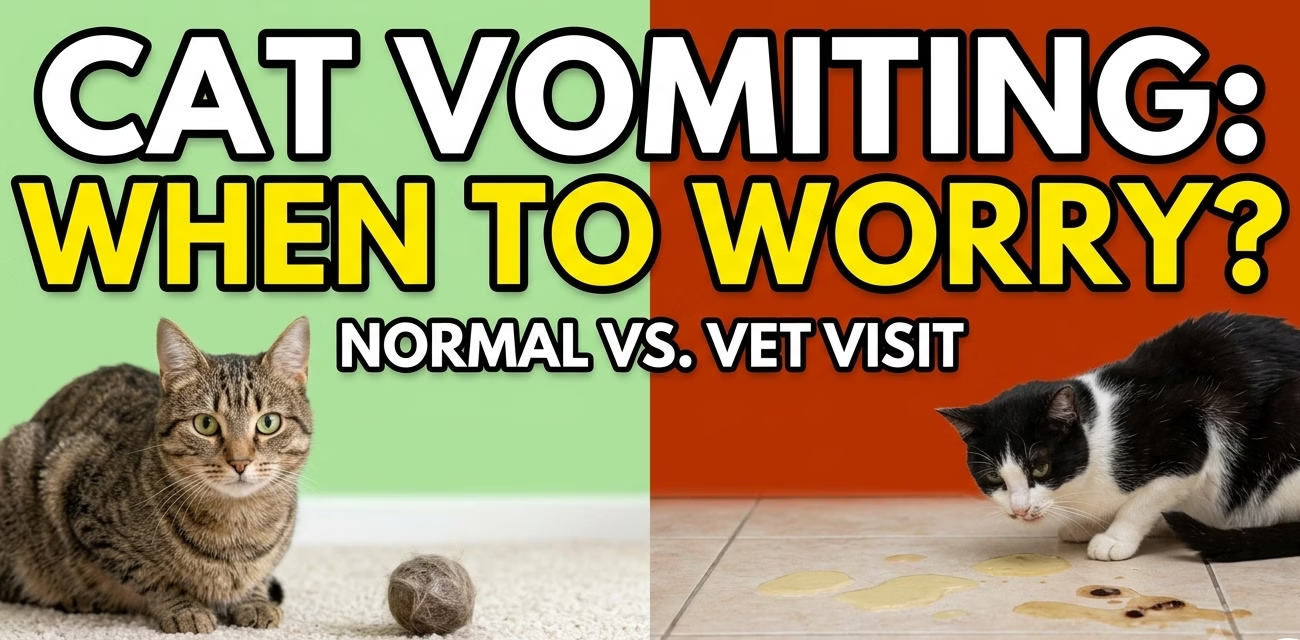
Cat Vomiting: When It's Normal and When to See a Vet
Every cat parent is familiar with the ominous, rhythmic hacking sound echoed across the house in the middle of the night. Because felines are fastidious groomers and prone to dietary indiscretions, throwing up is often dismissed as just a routine part of owning a cat.
However, there is a fine biological line between a benign, occasional hairball clearance and an underlying clinical emergency. Cats are masters at masking discomfort, meaning chronic vomiting can subtly signal systemic issues like kidney disease, inflammatory bowel disease (IBD), or an intestinal obstruction. In this 2026 guide, we break down the diagnostics of feline emesis so you know exactly when to reach for the paper towels and when to grab the cat carrier.
The Feline Emesis Triage Matrix
The appearance, consistency, and context of your cat's vomit offer immediate clues regarding what is happening inside their gastrointestinal tract. Use this breakdown to evaluate the urgency level.
| Vomit Appearance | Primary Suspects | Urgency Rating |
|---|---|---|
| Cylindrical mass of fur with minimal fluid | Standard trichobezoar (hairball) resulting from routine self-grooming. | Normal. Ensure it happens less than twice a month. Optimize grooming routines. |
| Undigested kibble, ejected minutes after eating | "Scarf and barf"—eating too fast, or swallowing unchewed kibble which expands in the stomach. | Monitor. Use a slow-feeder or puzzle bowl to pace their consumption. |
| Clear or yellowish foam/bile on an empty stomach | Acid reflux, prolonged fasting, or early indicators of metabolic conditions (kidney/thyroid). | Non-Emergency Vet Visit. Schedule an appointment if it happens more than once a week. |
| Bright red blood or dark "coffee grounds" fluid | Active bleeding in the esophagus, stomach wall ulceration, or ingestion of foreign material. | Emergency. Go to an urgent care vet clinic immediately. |
| Repeated vomiting (3+ times in 24 hours) with lethargy | Linear foreign body obstruction (string), toxicity, acute pancreatitis, or systemic infection. | Emergency. Immediate medical intervention required to prevent critical dehydration. |

4 Actionable Steps to Take When Your Cat Vomits
Before you clean it up, take a quick photo on your phone. Note the color, consistency, and whether there are any foreign objects like ribbon, houseplants, or plastic wraps. If you end up at the veterinary clinic, showing a clear photo of the emesis provides the medical team with immediate diagnostic value that descriptions can't match.
Vomiting combined with completely normal behavior (the cat immediately asks for food or plays) points toward a localized issue like eating too fast. However, if your cat vomits and then withdraws, hides in a closet, hunches over, or refuses their favorite treat, they are experiencing systemic distress. Behavioral depression is the truest indicator of clinical severity.
Frequent vomiting quickly depletes a cat's fluid reserves, and felines are notoriously poor at rehydrating themselves voluntarily. Check their hydration by gently pinching the skin over their shoulder blades. If the skin snaps back immediately, they are hydrated. If the skin hangs or returns slowly ("skin tenting"), or if their gums feel dry and tacky to the touch, they require subcutaneous fluids from a vet.
If the vomiting began suddenly, immediately check your home for hazards. Look at your houseplants—common varieties like Lilies, Pathos, and Tulips are highly toxic to felines and cause rapid, catastrophic kidney failure. Also check for missing household sewing strings, yarn, or dental floss, which can form fatal linear blockages in the intestines.
The Verdict: Err on the Side of Caution
An isolated incident of vomiting with no other symptoms warrants observation and environment monitoring. However, if the pattern repeats, or if it is paired with lethargy, poor appetite, or behavioral changes, it is time to seek professional care. Early intervention prevents complex, expensive internal health complications down the road.
Want practical, unsponsored pet wellness checklists and veterinary deep-dives? Subscribe to the DiggityDog Newsletter today!

J.V. CHARLES – DiggityDog
J.V. Charles is a pet care specialist and dedicated pet advocate. He founded DiggityDog to bridge the gap between complex veterinary science and practical, everyday advice that empowers pet parents to live happier, healthier lives with their furry companions.

Other Articles

How to Remove Water from Your Dog’s Ears
How to Stop Puppy Whining: Vet-Approved Advice


No Comment! Be the first one.