

How to Remove Water from Your Dog’s Ears: The 2026 Guide
Whether it is from an enthusiastic jump into a summer lake or just a routine Sunday bath, water finding its way into your dog's ears is practically inevitable. However, a dog's ear canal is not shaped like a human's; it features a sharp, "L-shaped" downward curve.
This distinct anatomy is excellent for funneling sound to improve their acute hearing, but it is terrible at draining moisture. When water becomes trapped at the bottom of this "L," it creates a dark, warm, and humid environment—the perfect breeding ground for yeast and bacterial otitis (ear infections). Here is how to safely and effectively extract trapped water before it turns into a painful medical issue.
The Trapped Moisture Indicator Matrix
If you aren't sure whether water actually made it past the outer flap (the pinna) and into the deep canal, look for these tell-tale behavioral indicators over the next 2 to 24 hours.
| The Behavior | Biological Implication | Action Required |
|---|---|---|
| Violent, continuous head shaking | The dog feels the physical weight or tickle of the water shifting against the eardrum and is attempting centrifugal force to expel it. | Apply a drying solution immediately to break surface tension. |
| Pawing or scratching at the base of the ear | Early stages of irritation. The moisture has begun to upset the delicate balance of the ear canal's natural flora. | Wipe the outer ear canal and monitor for redness. |
| Foul odor (like corn chips or old socks) | Yeast (Malassezia) or bacteria has actively bloomed in the trapped moisture. The infection has set in. | Vet Visit Required. A prescription medicated drop is now necessary; drying agents will no longer suffice. |

4 Actionable Steps for Safe Water Removal
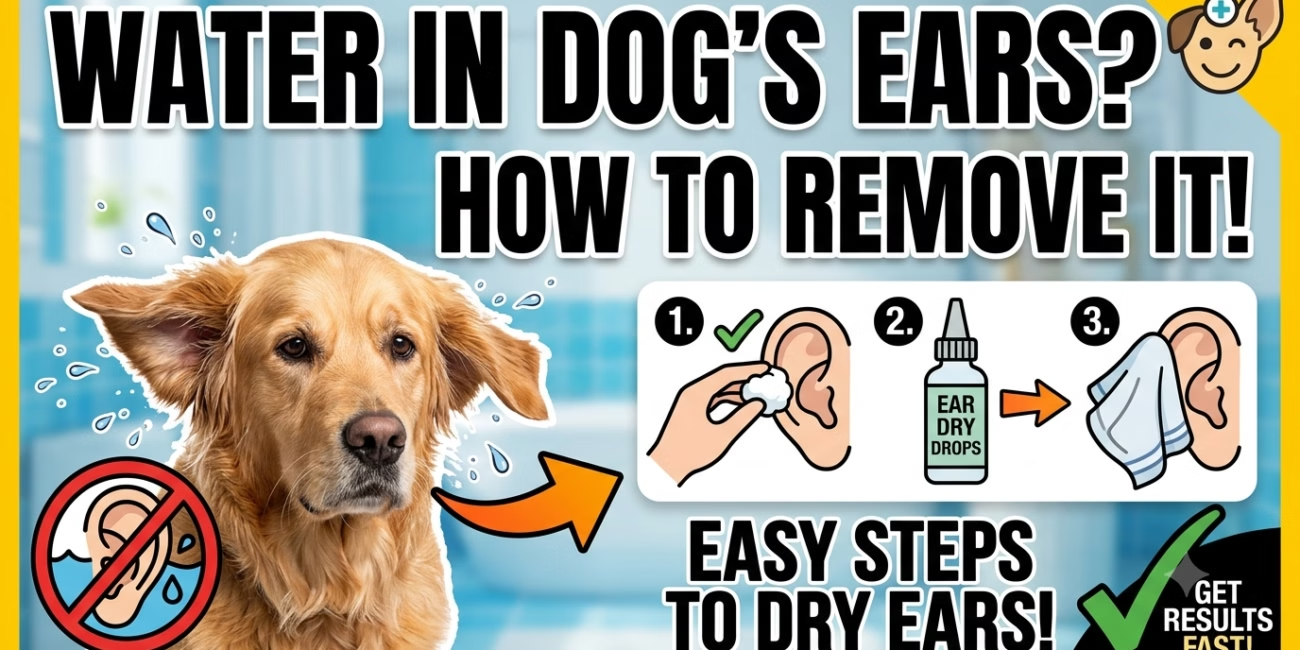
As soon as your dog is out of the water, use a soft, absorbent microfiber towel or a large cotton ball to dry the inside of the ear flap (the pinna) and the visible opening of the ear canal. Gently press the towel into the crevices you can see, but do not force your fingers blindly down into the ear.
The most foolproof method for removing deep water is using a commercial canine ear cleanser that contains a drying agent like salicylic acid. The solution safely breaks the water's surface tension and evaporates the moisture. Flood the ear canal with the cleanser until you can see the fluid near the top.
Once the cleaner is in, grab the base of your dog's ear (where it meets the skull) and massage it gently but firmly for 20 to 30 seconds. You should hear a distinct "squishing" sound—this is the solution breaking up the water and debris. Step back and let your dog shake their head vigorously. The shaking forces the liquid and trapped water up and out of the L-shaped canal.
The best way to remove water is to prevent it from entering. Before you give your dog a bath, gently place a large, dry cotton ball just inside the opening of each ear to act as a physical barrier. (Make sure it is large enough that it won't slip down the canal, and never forget to remove them afterward!). For swimming, a canine swim cap or "snood" can help keep floppy ears pinned flat against the head, limiting water entry.
The Verdict: Dry Ears Equal Happy Dogs
By taking three extra minutes to properly dry your dog's ears after every swim, bath, or romp in the rain, you can save them from days of intense discomfort and save yourself an expensive trip to the veterinarian for antibiotics.
Want more deep-dives into preventative dog care and grooming hacks? Subscribe to the DiggityDog Newsletter today!

J.V. CHARLES – DiggityDog
J.V. Charles is a pet care specialist and dedicated pet advocate. He founded DiggityDog to bridge the gap between complex veterinary science and practical, everyday advice that empowers pet parents to live happier, healthier lives with their furry companions.

Other Articles

Ditch The Itch: Dog Dry Skin Relief Checklist
Cat Vomiting: When It’s Normal and When to See a Vet


No Comment! Be the first one.